

Australia has long been a console-heavy market. PlayStation dominated lounge rooms for years, Xbox built a strong Game Pass community, and Nintendo created its own world with hybrid handheld systems. However, 2025 may be the year this balance shifts. Valve’s revival of the Steam Machine introduces a new competitor to the console market, and this time the device arrives with real purpose (Valve Steam Machine 2025).
Although the original Steam Machine struggled, the new version launches into a completely different gaming landscape. Linux gaming is stronger, hybrid devices are mainstream, and players want more flexibility. Furthermore, the Steam Machine 2025 delivers major improvements in power, software support, and user experience. Because of these changes, it now poses a real challenge to PlayStation, Xbox, and even the Nintendo Switch ecosystem.
In other words, the new Steam Machine doesn’t just enter the console market — it threatens to reshape it.
A New Type of Console Competitor (Valve Steam Machine 2025)
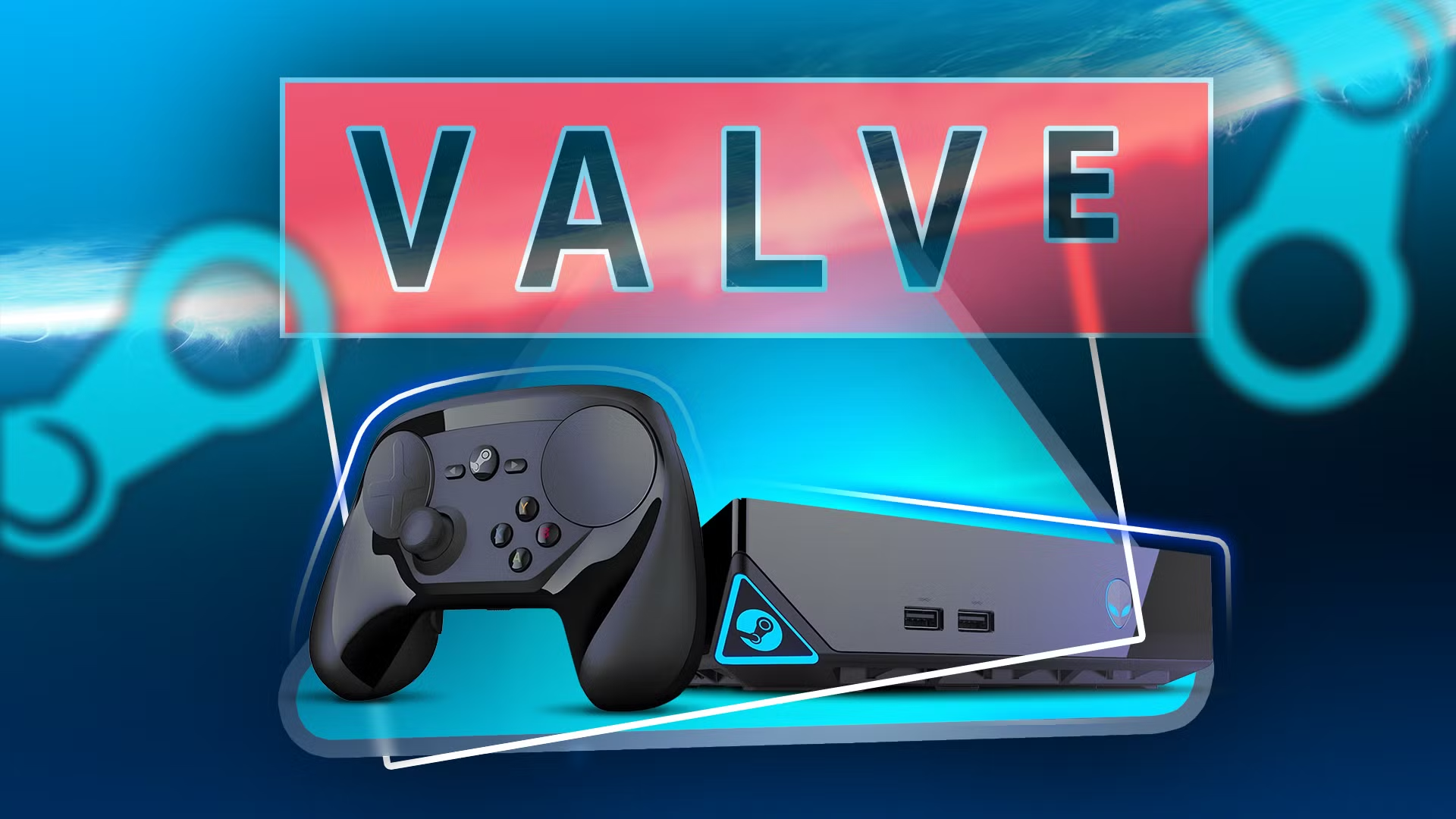
Traditional consoles offer locked-down ecosystems that prioritise control and stability. However, the Steam Machine behaves like a console while maintaining the freedom of a PC. This hybrid combination makes it attractive to Aussie gamers who want flexibility without dealing with full PC builds. Furthermore, the device’s UI mirrors console simplicity, which removes the friction older PC gaming systems carried.
Meanwhile, Steam’s massive library gives it an immediate advantage. While Sony and Microsoft rely on exclusives, Valve counters with sheer scale. This shift may change how players choose their next lounge-room device.
Performance That Reaches Console Levels (Valve Steam Machine 2025)

PCMag reported that the Steam Machine 2025 delivers up to six times the performance of the Steam Deck. This places it near the performance range of the PS5 and Xbox Series X. Furthermore, the device runs cooler and quieter than most compact PCs because it avoids portable hardware constraints.
This means players can run modern titles at consistent frame rates. Aussie gamers, who often avoid large gaming towers due to space, benefit the most from this hardware. The Steam Machine turns PC gaming into a simple living-room experience without losing performance.
Why Nintendo Faces the Most Surprising Challenge: Valve Steam Machine 2025

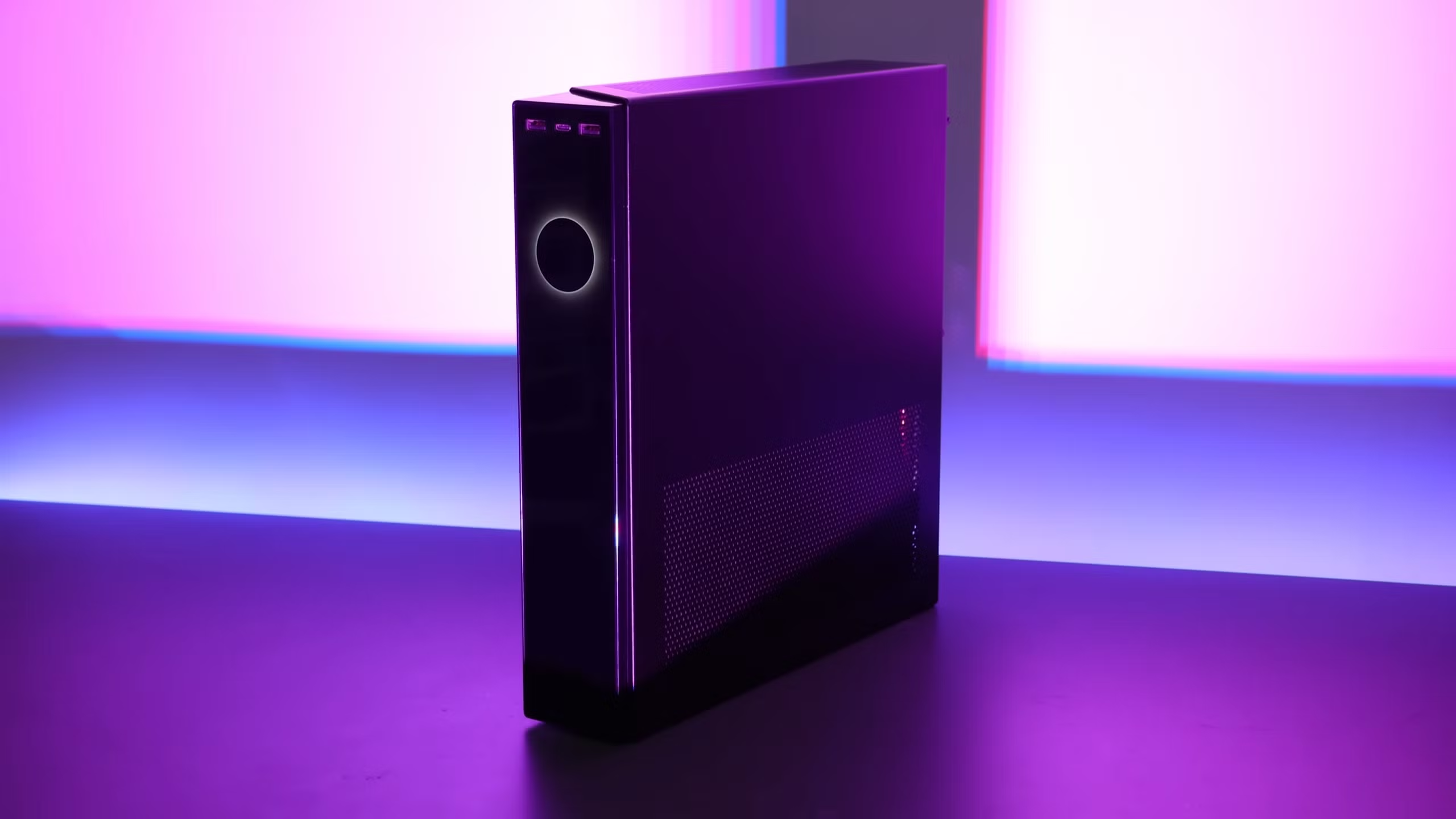
Nintendo carved a unique path with hybrid gaming through the Switch and Switch 2. However, the Steam Machine threatens this strategy indirectly. Although it isn’t portable, it supports handheld gaming through Steam Deck streaming and Remote Play.
Furthermore, its support for Android apps — reported by The Verge — strengthens its role as an entertainment device. In other words, when used with handheld PCs, the Steam Machine creates a modular hybrid system that challenges Nintendo’s space in living rooms.
Because many Aussies now use multiple devices at once, the Steam Machine’s ecosystem may feel more modern and flexible.
How Steam Machine 2025 Compares with Major Consoles (Valve Steam Machine 2025)
| Feature | Steam Machine 2025 | PlayStation 5 | Xbox Series X | Nintendo Switch 2 |
|---|---|---|---|---|
| Performance | 6× Steam Deck power | High-end 4K console | Strongest console | Moderate hybrid |
| Game Library | Full Steam library | Sony exclusives | Game Pass | Nintendo exclusives |
| App Support | SteamOS + Android | Limited | Limited | Very limited |
| Modding | Full support | Almost none | Very limited | None |
| Aussie Appeal | Compact + flexible | Strong brand | Game Pass value | Family-friendly |
This comparison shows how the Steam Machine enters the market with multiple advantages, especially in flexibility and software variety.
How the Steam Machine Changes Consumer Expectations


Consoles shaped gamer expectations for decades. They emphasised plug-and-play simplicity and predictable performance. However, those expectations changed after the Steam Deck’s success. Players now want convenience without limits. Meanwhile, the Steam Machine 2025 brings PC-level modding, open software, and customisation into a console-like package.
Furthermore, younger gamers expect their devices to support streaming apps, browser tools, and third-party software. Consoles often restrict these features. The Steam Machine changes that narrative completely by embracing openness.
Why the Australian Market Is Ripe for Disruption

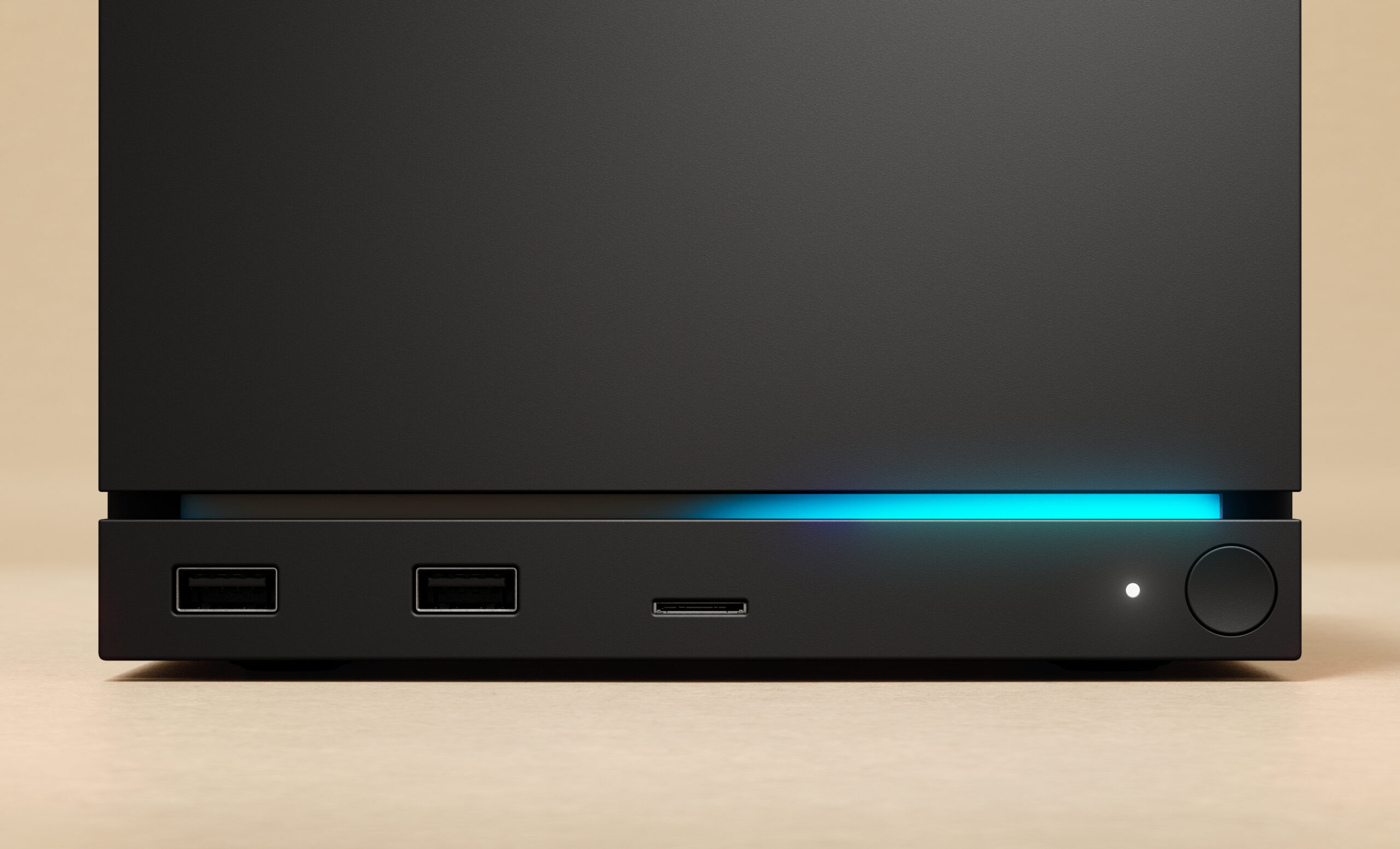
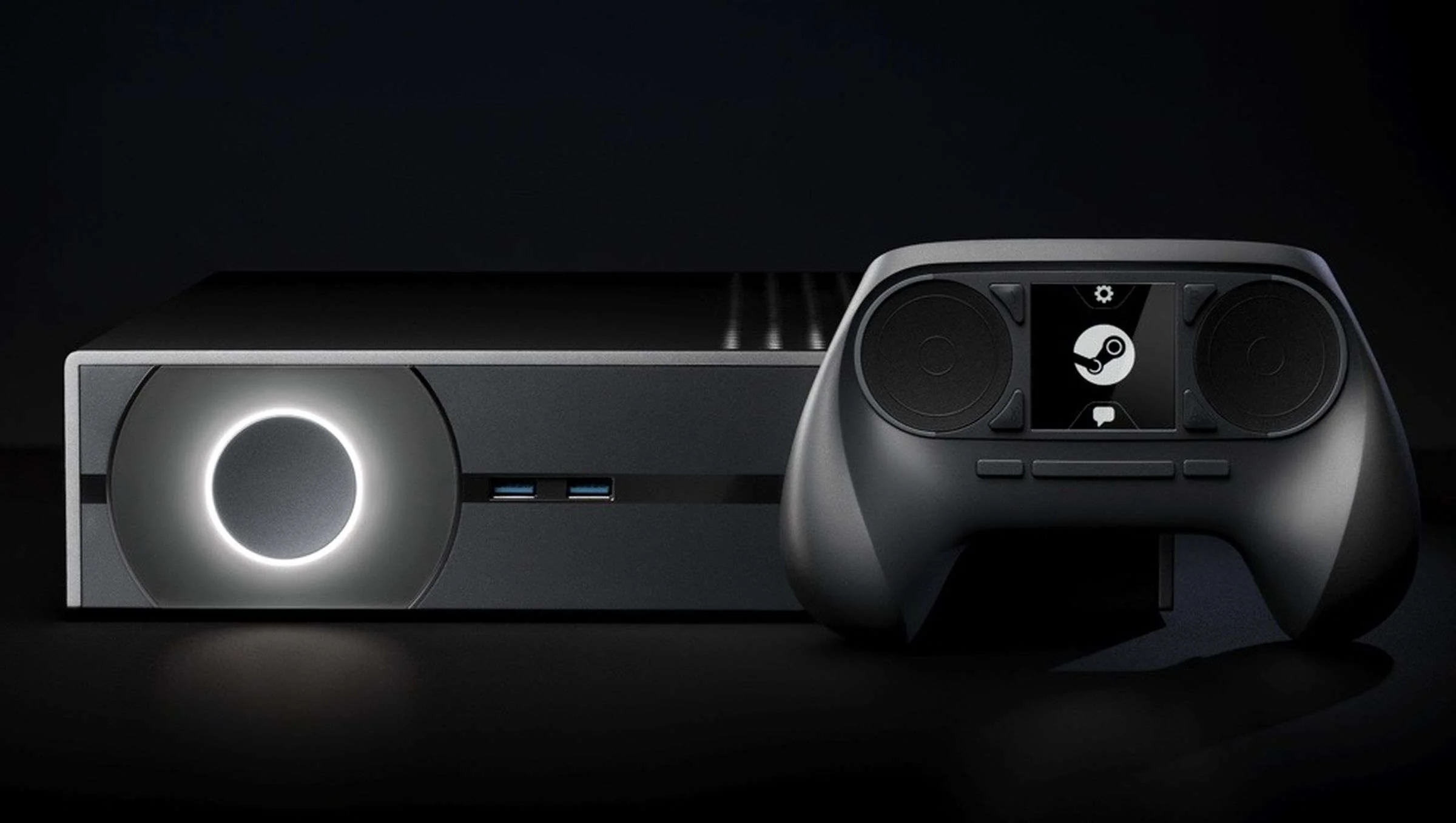
Australian console users face several challenges. Hardware prices remain high, new consoles often sell out, and some households lack space for both a PC and a console. Because of these issues, a compact device that behaves like both becomes highly attractive.
Furthermore, Australia’s rising interest in indie games gives Valve an edge. Steam’s indie ecosystem is unmatched, and local studios often launch on Steam first. In other words, the Steam Machine offers a wider library for Aussie audiences at a lower long-term cost.
The Future: A Three-Way Battle Instead of Console Wars
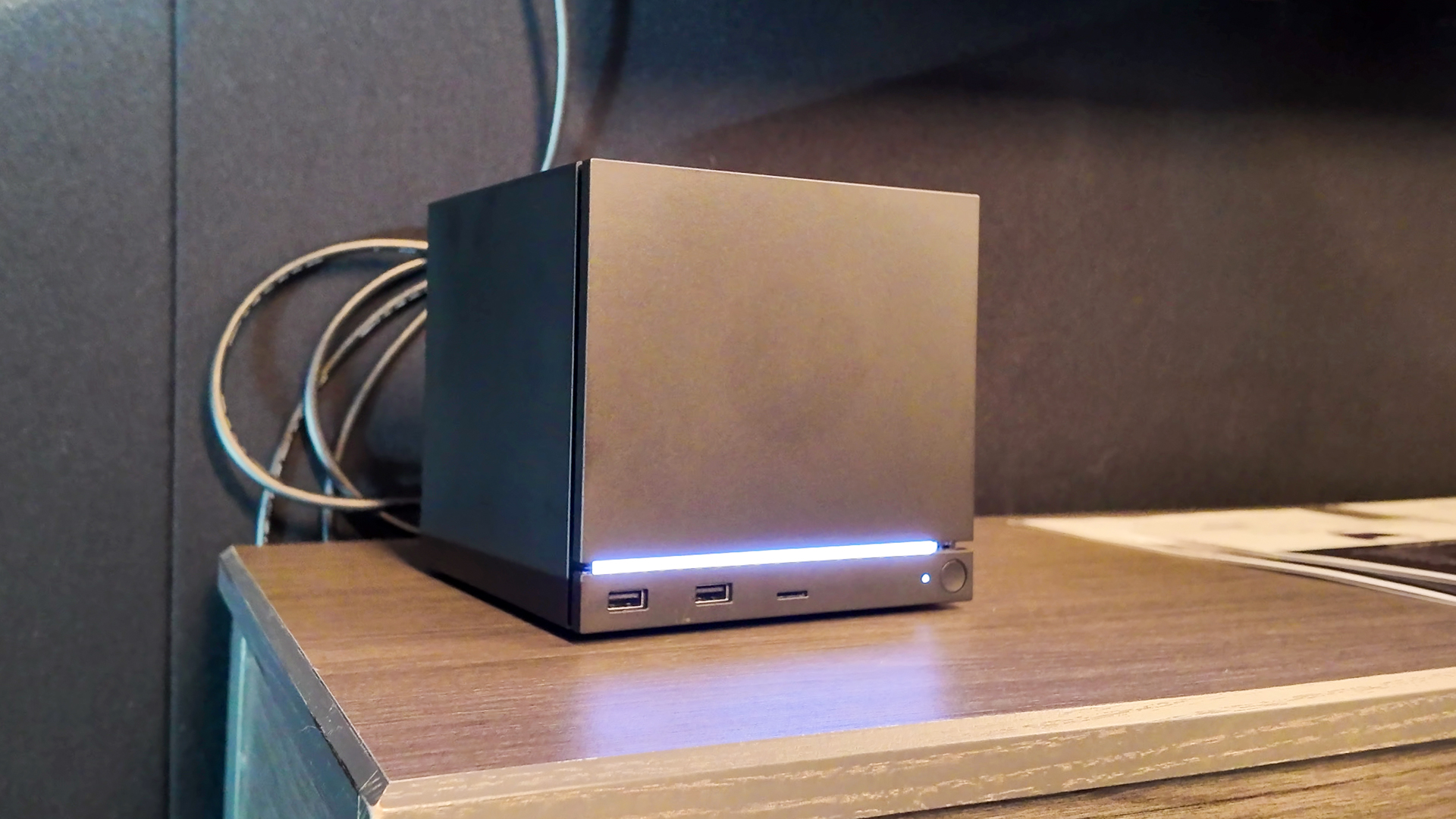
The gaming landscape may shift from PlayStation vs Xbox to Consoles vs Valve Ecosystems. Because the Steam Machine sits between console simplicity and PC flexibility, it becomes a new third category.
Meanwhile, Valve’s long-term commitment to Linux gaming ensures a healthy future for the device. Proton continues to improve, and developers now view SteamOS as a viable platform. As a result, the Steam Machine could become a permanent competitor instead of a short-lived experiment.
The Steam Machine 2025 may become one of the most disruptive gaming devices in years. It challenges PlayStation and Xbox with strong performance and open software. It challenges Nintendo through hybrid-friendly ecosystems. And it challenges the console market by blending PC power with console simplicity.
For Aussie gamers, this device arrives at the perfect moment. Rising costs, smaller homes, and a growing love for flexible gaming create the ideal environment for Valve’s comeback. If the Steam Machine 2025 succeeds, the console market may never look the same again.


