

Aussie weekend sport is meant to be the great equaliser—same field, same rules, same community spirit. But this weekend’s heatwave is exposing something many families already know: not every suburb or regional town has the same ability to cope when temperatures surge past 40°C. The Bureau of Meteorology warns that Western Sydney and inland NSW will face the most extreme conditions, while coastal suburbs enjoy slightly cooler breezes. According to SMH and The Guardian, this heatwave’s intensifying pattern will put massive strain on communities with fewer shaded ovals, older facilities, and limited access to cooling infrastructure. Suddenly, the sport everyone loves becomes a spotlight on inequality (Weekend sport heat risks).
Western Sydney Faces the Harshest Conditions With Fewer Resources –Weekend sport heat risks

Areas like Penrith, Blacktown and Campbelltown regularly trap heat overnight due to the urban heat-island effect. This weekend, 7News predicts temperatures soaring above 40°C in these suburbs. Unlike coastal areas with natural airflow, Western Sydney relies heavily on man-made shade and hydration access—resources many fields simply don’t have. Kids playing cricket or soccer here feel the heat earlier and harder than those in cooler suburbs.
Regional Towns Battle Heat With Ageing Facilities (Weekend sport heat risks)
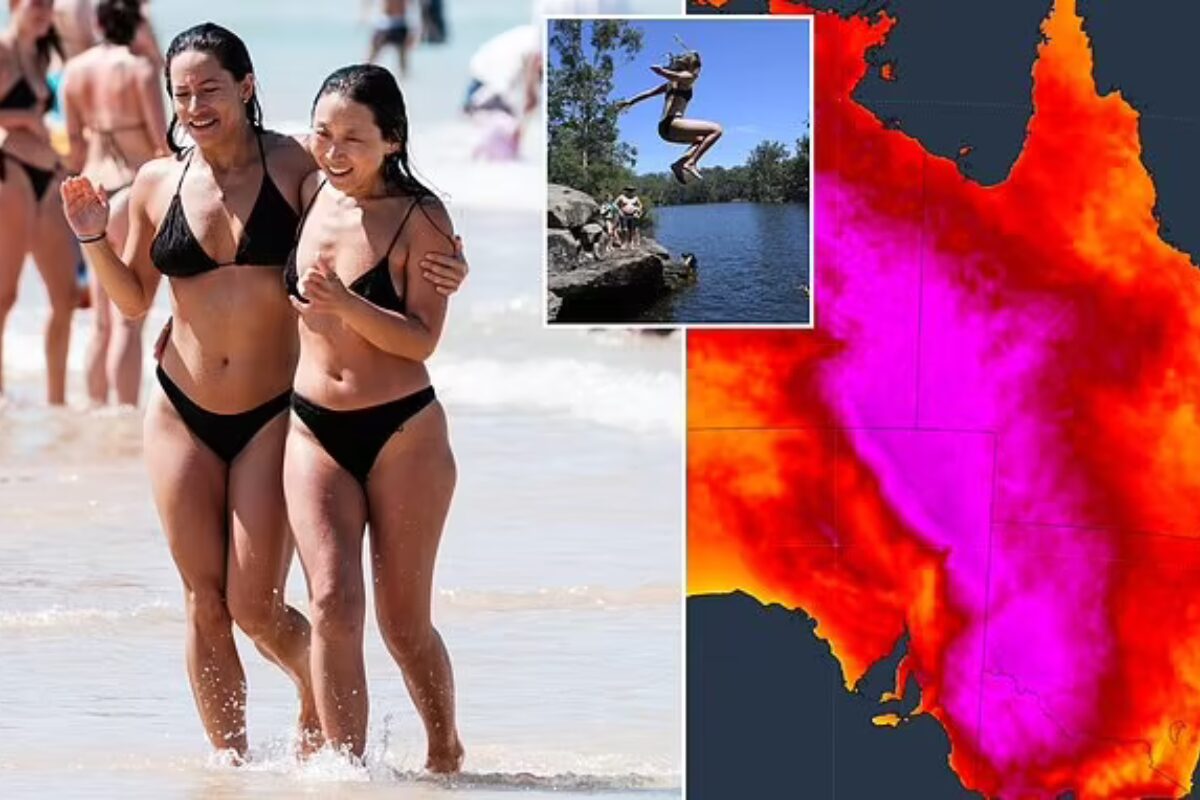
Sky News reports that inland regions such as Riverina, Orange, and Dubbo will face some of the highest temperatures of the weekend. Many rural sports grounds lack shade structures, misting stations, or modern changerooms. Volunteer-run clubs sometimes operate out of decades-old facilities that can’t support high-demand cooling. This makes junior sport incredibly risky, even with morning start times.
Coastal Clubs Have an Advantage—But It’s Uneven –Weekend sport heat risks
While Sydney’s eastern suburbs, Wollongong, and Newcastle may enjoy milder breezes, they still face humidity spikes and dangerous UV levels. The Guardian notes that even coastal venues become hazardous once heatwave classifications are triggered. That said, the presence of shade trees, sea breezes and easier access to water gives these clubs an advantage that inland communities lack.
Equipment and Infrastructure Inequality Becomes Obvious Fast

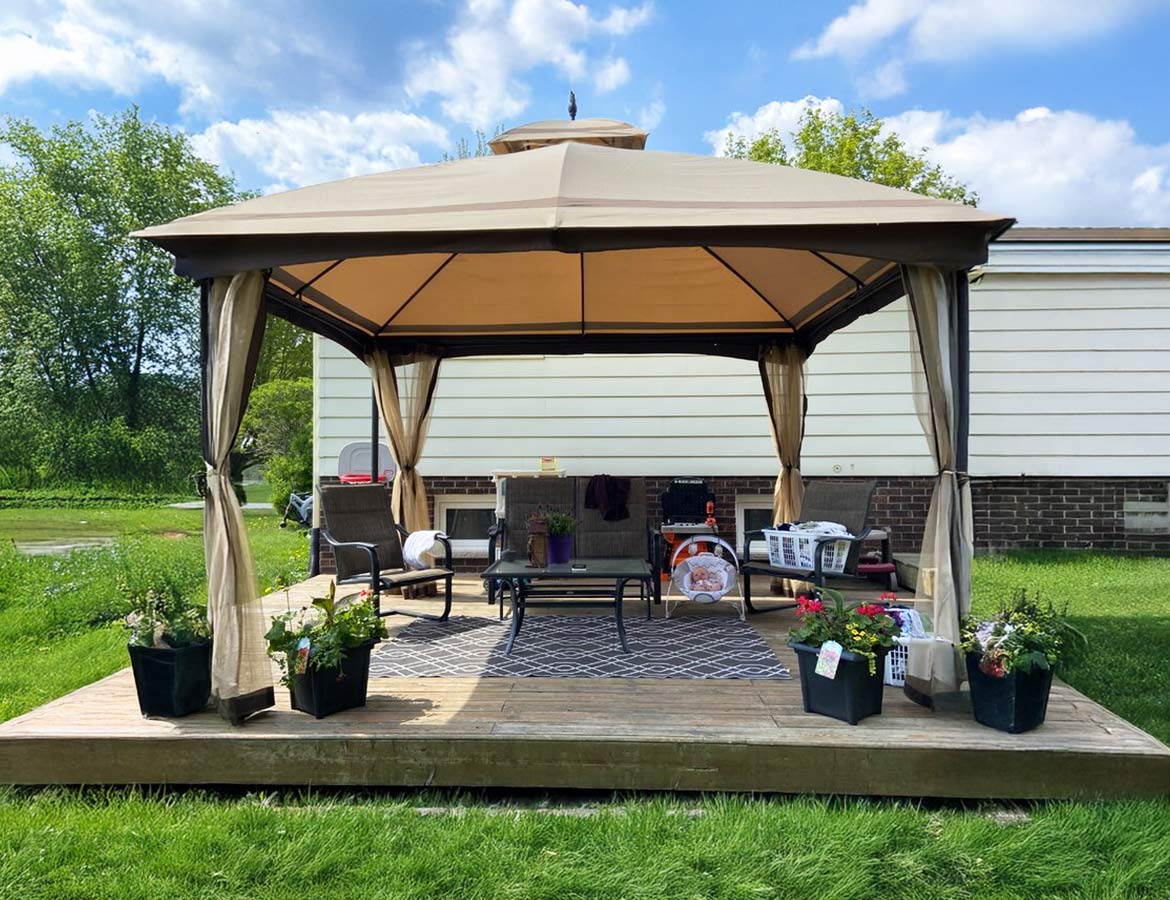
Some clubs have large tents, portable shade, hydration carts, cooling vests, and medical staff. Others have nothing more than a hose and a single Esky of ice. SMH reports that councils with higher funding are rolling out misting stations and water refill points, while less-funded regions rely on volunteers improvising with tarps and umbrellas. That disparity becomes life-changing when temperatures reach 40°C.
Heatwaves Magnify the Gap Between Safe and Unsafe Sport
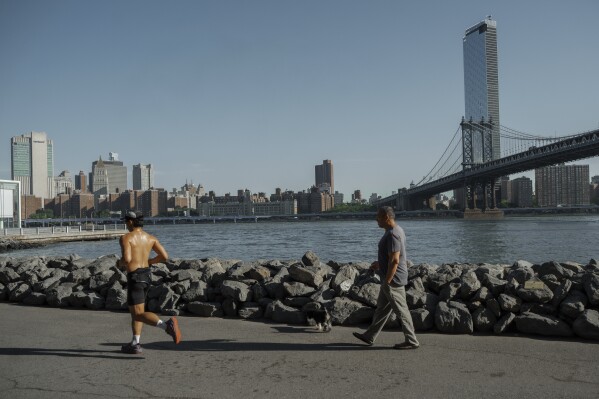

The difference between a match going ahead or being cancelled often depends on a club’s resources rather than the sport itself. Families in hotter suburbs are more likely to have afternoon fixtures cancelled, limiting junior participation and weakening club finances. Meanwhile, cooler suburbs continue playing uninterrupted. The heatwave becomes an unexpected barrier in sport access and equality.
Heatwaves don’t treat every community equally, and this weekend’s scorcher is making that clearer than ever. From Western Sydney’s heat-trapped suburbs to inland towns with ageing facilities, some communities will struggle far more than others to keep weekend sport safe. While clubs and councils are doing what they can, the heatwave shines a bright light on the infrastructure gaps that shape participation, safety, and long-term sporting culture. If extreme heat becomes the new normal, these inequalities will demand serious attention.


