

On New Year’s Day 2026, Cricket Australia officially revealed its provisional 15-man squad for the T20 World Cup 2026, confirming a radical departure from the pace-heavy doctrines of the past. Led by Mitchell Marsh, the squad has been tailored specifically for the turning tracks of India and Sri Lanka. As a result, selectors have invested heavily in slow-bowling resources while daringly relying on the fitness of several key superstars.
Importantly, the announcement marks a pivotal moment for the 2021 champions. By prioritising “skill over symmetry,” the selection panel has signalled that it is no longer wedded to traditional bowling archetypes. Instead, the group will attempt to exploit the abrasive surfaces of Colombo and Kandy with variety and control.
The Great Spin Pivot: Beyond Adam Zampa
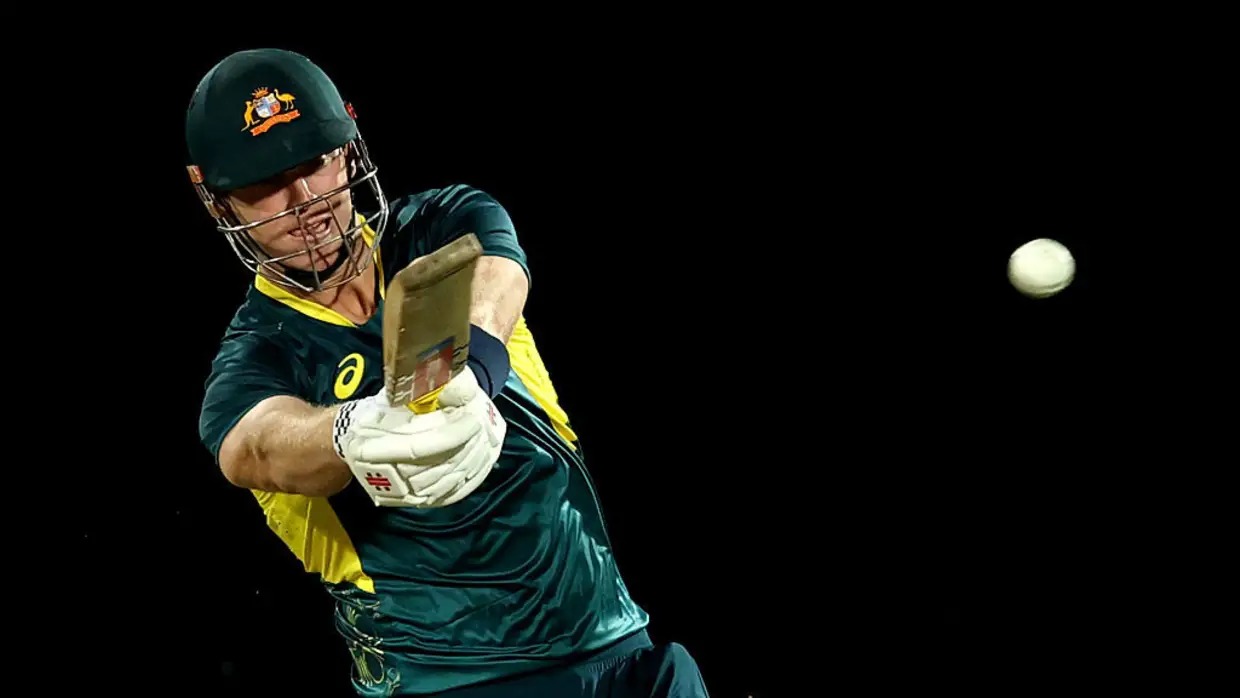
For much of the past decade, Adam Zampa has often carried Australia’s spin attack alone. However, for the 2026 campaign, selectors have surrounded him with a diverse cast of slow bowlers designed to unsettle opposition batters on subcontinent wickets.
- Matthew Kuhnemann’s Recall: The standout surprise is the inclusion of left-arm orthodox spinner Matthew Kuhnemann. Despite limited T20I appearances, his success during the 2025 Test tour of Sri Lanka convinced selectors that his height and dip are well suited to these conditions.
- The Rise of Cooper Connolly: The 22-year-old “bolter” has been rewarded for his explosive domestic form. Connolly provides a rare “triple-threat” profile: an explosive middle-order finisher, a reliable left-arm spin option, and an elite fielder.
- Deep All-Rounder Support: The presence of Glenn Maxwell and Matthew Short ensures that Captain Marsh will never be short of options. Short, in particular, has evolved into a genuine powerplay bowling threat, allowing Australia to save Zampa’s overs for the middle phases.
The “Injured Three” and the January 31 Deadline
While the tactical shift is clear, physical readiness remains the biggest talking point. Selectors have named three of Australia’s most decorated players despite significant injury concerns.
Injury Status Report | Australia T20WC
Because this is a provisional squad, selectors have until January 31, 2026, to make changes without ICC technical committee approval for medical reasons. Consequently, this 30-day window acts as a vital safety net for the Australian camp.
A Post-Starc Reality: Why Xavier Bartlett?
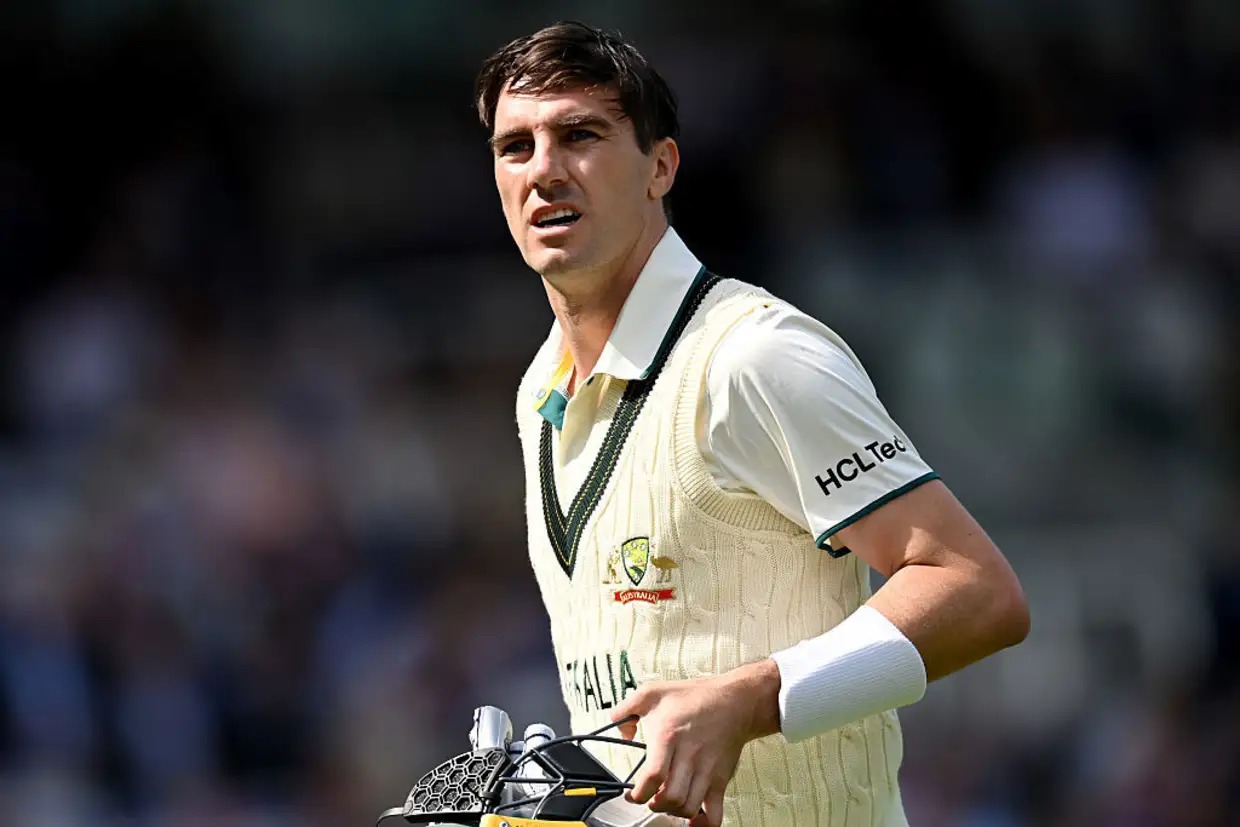
The retirement of Mitchell Starc from the T20 format created a significant gap in Australia’s powerplay strategy. Many analysts expected Ben Dwarshuis to become the natural successor due to his left-arm angle. However, selectors instead opted for Xavier Bartlett.
This decision marks the first time in more than a decade that Australia will enter a major tournament without a specialist left-arm seamer. The panel believes Bartlett’s elite control, subtle seam movement, and heavy ball suit Sri Lanka’s low-bounce surfaces better than raw left-arm variety. As a result, he will join Nathan Ellis and the returning Cameron Green in a right-arm pace unit that prioritises variation over sheer velocity.
Australia’s Group B Roadmap
Australia will play all their group-stage matches in Sri Lanka. This schedule allows the team to settle in one region before a potential move to India for the Super Eight stage.


