

In 2017, Fortnite launched as a co-op survival game no one asked for. Seven years later, it’s the most culturally significant game of a generation. The question isn’t whether Fortnite is still popular. The question is why.
The gaming graveyard is full of games that peaked and crashed. PUBG had its moment. Apex stabilized. Warzone found its level. Fortnite just kept growing, evolving, and staying relevant. Here is how.
The Collaboration Machine
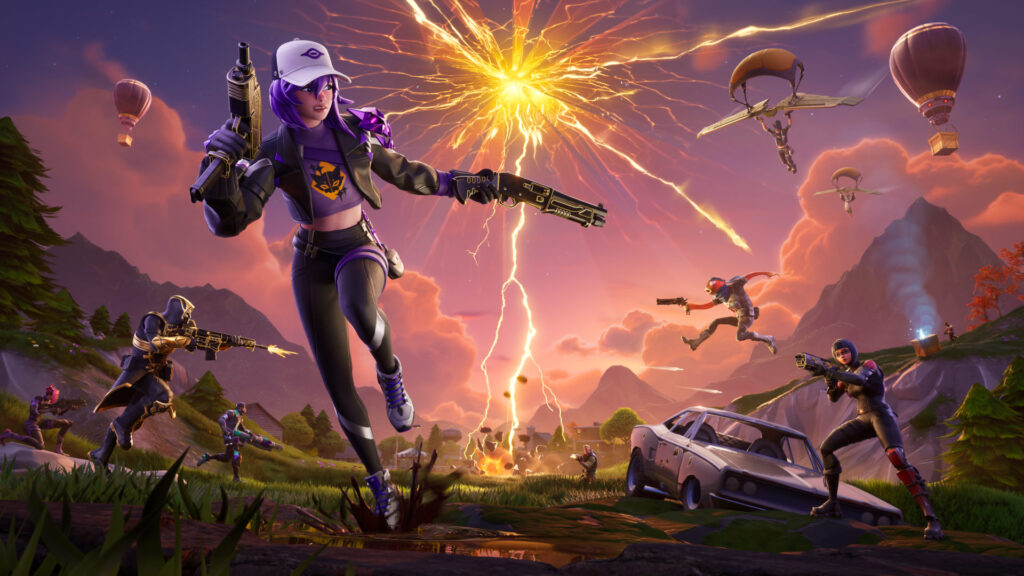
Fortnite’s collaboration strategy is unmatched in gaming history. Other games do crossovers. Fortnite builds entire universes. Marvel, DC, Star Wars, NFL, NBA, Ariana Grande, Travis Scott, Eminem, Goku, Peter Griffin—the list is absurd.
But quantity isn’t the secret. It’s the treatment. Fortnite doesn’t just drop a skin in the shop. They build seasons around IPs. They create mythologies. The Marvel season wasn’t just skins—it was a narrative. The Star Wars events aren’t just lightsabers—they’re moments.
This strategy creates constant entry points. If you’re a Marvel fan who never played Fortnite, a Marvel season might bring you in. If you’re a Dragon Ball fan, Goku might be your gateway. The collaborations act as ongoing marketing that never stops working.
Here is the breakdown of Fortnite’s staying power:
| Factor | How Fortnite Does It | Why It Works | Competitor Comparison |
|---|---|---|---|
| Collaborations | Full seasons built around IPs | Creates entry points for every fandom | Basic skins, no narrative |
| Live Events | Spectacle, destruction, community | Must-see TV moments in gaming | No equivalent exists |
| Game Modes | Zero Build, Racing, Lego, Festival, OG | Something for everyone | One mode only |
| Social Layer | Meet friends, hang out, concert venue | Digital third place | Just a game |
| Update Cadence | Constant evolution, never static | Always something new to discuss | Content droughts |
The Live Event Spectacle
No other game does live events like Fortnite. When Epic announces an event, the gaming world stops. The Travis Scott concert drew 45 million players. The Device event crashed servers. The Fracture event had players theorizing for weeks.
These events work because they’re genuine spectacles. They’re not just cutscenes—they’re interactive experiences where the Island changes in real-time. Players watch together, experience together, and talk about it for days afterward.
The upcoming Fracture 2 event demonstrates this perfectly. Players are already planning schedules, clearing their calendars, and speculating about what comes next. No other game generates this level of anticipation for a single 15-minute moment.
Multiple Games in One
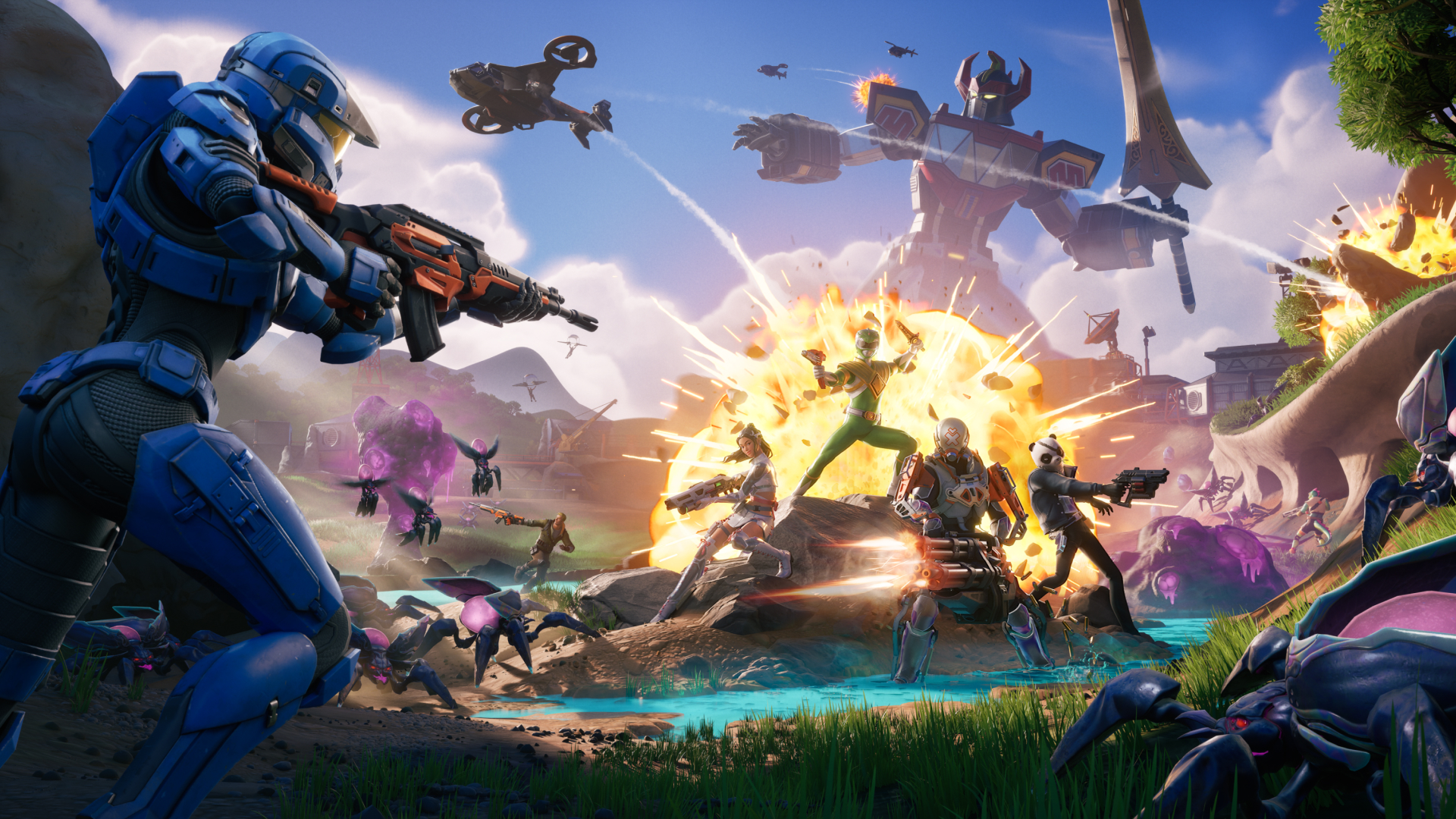
Fortnite isn’t one game anymore. It’s a platform. Battle Royale is the main attraction, but Zero Build brought back lapsed players who hated building. Lego Fortnite attracts a younger demographic. Rocket Racing appeals to racing fans. Festival turns Fortnite into a rhythm game.
This strategy means players never have to leave. If you’re bored with Battle Royale, you can race cars. Tired of racing, you can build with Legos. If you want something completely different, you can play a concert. Fortnite becomes the only game you need.
The OG mode, which periodically brings back classic seasons, taps into nostalgia. Players who haven’t touched Fortnite in years return to experience the map they remember. Many stay for the new content.
The Social Layer
For millions of players, Fortnite isn’t a game—it’s where friends hang out. Kids who met in school log on together after graduation. College friends scattered across states play as their weekly connection. Parents play with children across generations.
This social layer creates loyalty that gameplay alone can’t match. Players don’t quit Fortnite because they’d have to quit their friend group. The game becomes infrastructure for relationships, and infrastructure is hard to replace.
The party system, voice chat, and emote culture all reinforce this. Dancing with friends after a win is the actual reward. Victory Royale is just the excuse.
The Cultural Chameleon
Fortnite survives because it changes constantly. The Chapter 6 Season 4 bug theme is completely different from last season’s neon aesthetic. The game never gets stale because it never stays the same.
But the changes are never so drastic that players feel lost. The core loop—drop, loot, fight, survive—remains consistent. New players can jump in anytime. Veterans always have something to master.
This balance between novelty and familiarity is incredibly difficult to achieve. Epic has spent seven years perfecting it, and the results speak for themselves.


