

For years, the narrative around Overwatch was decline. Players left. Content slowed. The community grew bitter. But in 2026, something shifted. The game that many had written off is experiencing a genuine resurgence, and it’s not because of flashy new heroes or massive marketing pushes . The why Overwatch is popular again 2026 story is about fundamentals: listening to players, fixing core problems, and rebuilding trust.
Here is what changed.
The Tank Problem Finally Got Fixed
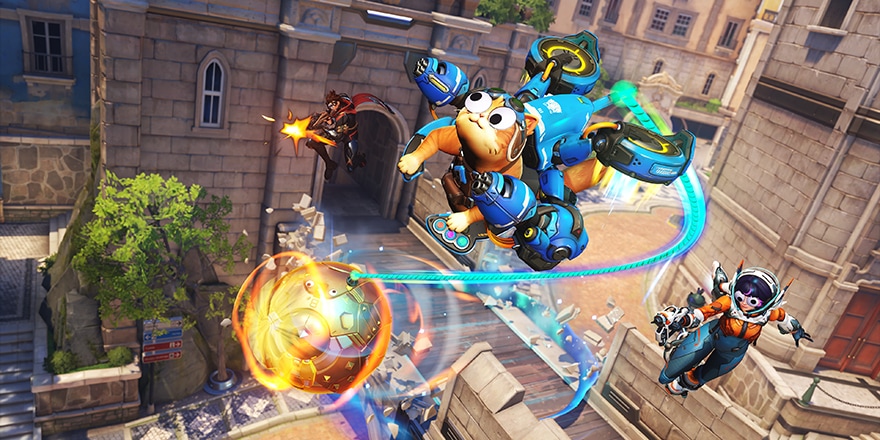
For years, tank players felt like punching bags. They absorbed every cooldown, got bounced around by knockback abilities, and spent more time stunned than playing. The March 2026 patch introduced the Unstoppable passive, giving tanks 30% reduced knockback/stun duration and immunity to silence during ultimates .
The impact was immediate. Tank queue times dropped by nearly 40% as players who had abandoned the role returned . Reinhardt players could finally Earthshatter without being slept. Winston could Primal Rage without being hacked. Doomfist could Meteor Strike without being stunned mid-air.
The community response was overwhelmingly positive. One Reddit thread titled “I can finally play tank again” garnered over 10,000 upvotes in 24 hours. Players who had quit Overwatch entirely returned specifically to test the new tank changes.
Here is the breakdown of why players are returning:
| Reason | What Changed | Impact | Community Reaction |
|---|---|---|---|
| Tank Experience | Unstoppable passive (30% reduced CC, ult immunity) | 40% drop in tank queue times | Overwhelmingly positive |
| Content Cadence | Regular hero balancing, map updates, seasonal events | Consistent reasons to return | Rebuilding trust |
| Esports | World Cup announcement, OWCS growth | National pride, competitive interest | Renewed excitement |
| Communication | Developer updates, transparent patch notes | Players feel heard | Optimistic |
| Community | Content creators returning, streaming growth | Social proof, shared experience | Viral positivity |
Consistent Content Builds Trust
During the 2022-2024 period, Overwatch content felt sporadic. Heroes released slowly. Balance patches came infrequently. Players never knew when the next meaningful update would arrive.
In 2025-2026, Blizzard committed to a regular cadence of updates. The March 2026 tank patch was the third major balance update in six months, following significant changes to damage and support roles. This consistency signals investment. Players who were burned by content droughts now have reason to believe the game is being actively supported.
The patch note transparency has also improved. Developer comments now accompany most balance changes, explaining the rationale behind adjustments. Players may not always agree with the changes, but they understand why they’re being made.
The World Cup Effect
The Overwatch World Cup has always been the game’s most beloved event, and the 2026 tournament is the largest yet. With Regional Finals in Los Angeles, Copenhagen, Tokyo, São Paulo, and Dubai, and a main event in Seoul, the scale is unprecedented .
National pride is a powerful motivator. Players who haven’t touched Overwatch in years are logging in to represent their country. Friend groups that disbanded during the decline are reforming around World Cup watch parties. The tournament creates a shared experience that solo queue can’t replicate.
Early registration numbers for the Open Qualifiers exceeded Blizzard’s projections by 50% , indicating that grassroots interest is stronger than anticipated.
Content Creators Are Returning
The streaming ecosystem around Overwatch had contracted significantly by 2024. Top creators had moved to Valorant, Marvel Rivals, or variety streaming. But the tank changes and World Cup announcement have brought many back.
Flats, one of Overwatch’s most popular tank streamers, returned to full-time Overwatch streaming in February, citing the new tank passive as “the change we’ve been asking for since 2018” . Emongg has seen his viewer numbers increase by 30% since the patch dropped. Jay3 and KarQ are organizing community tournaments again.
This creator resurgence creates a feedback loop. Streamers playing Overwatch attracts viewers. Viewers get interested in the game. Players return to try it. The cycle continues.
Competitive Integrity Improvements
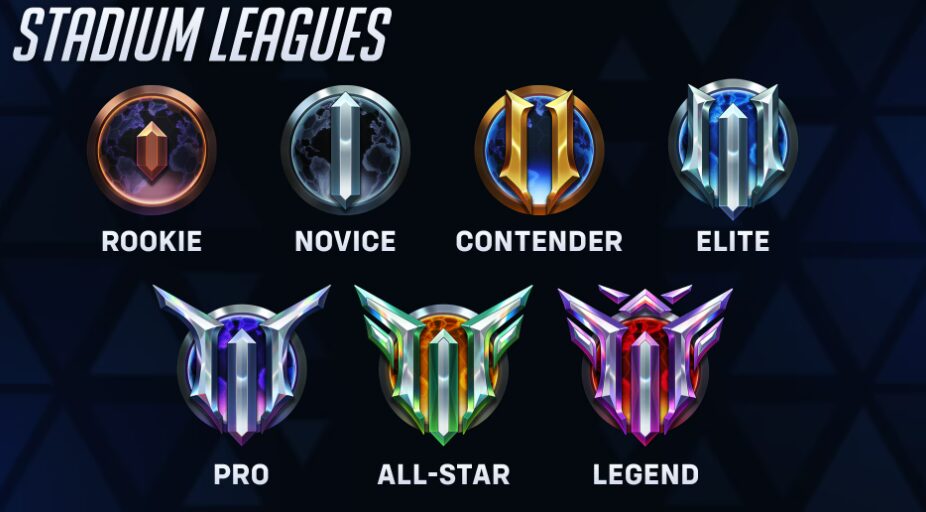
Beyond the tank changes, Blizzard has made significant improvements to the competitive system. The ranked distribution has been adjusted to better reflect skill, with fewer players stuck in “elo hell” and more accurate matchmaking . Smurf detection has improved, reducing the frustration of playing against players two ranks above their displayed rank.
The avoid list now allows up to 10 players, giving players more control over their matchmaking experience. The endorsement system has been reworked to reward positive behavior rather than just participation.
The Community Is Positive Again
Perhaps the most noticeable change is in the community itself. Social media feeds that were once dominated by complaints about balance, matchmaking, and content droughts are now filled with highlight clips, strategy discussions, and genuine excitement.
One Twitter user captured the sentiment: “I forgot how fun Overwatch is when you’re not getting chain stunned the whole game. The tank changes brought me back and I’m actually having fun again” . Another wrote: “Overwatch feels like Overwatch again. I don’t know how else to explain it. The game just feels right.”
This positivity is self-reinforcing. Players who encounter a positive community are more likely to stay. Returning players find a game that feels familiar but improved, not the toxic environment they left behind.
What Comes Next
Blizzard has signaled that the tank changes are just the beginning. Map voting is reportedly in development for competitive play. New hero releases are planned for 2026 and 2027. The World Cup will be the largest Overwatch esports event in years.
The game that many wrote off as declining is proving that with the right changes and consistent support, a dedicated community will return. Overwatch’s resurgence isn’t about flashy marketing or new modes—it’s about listening to what players actually want and delivering it.
