

The Jan Breydelstadion hosted a spectacular European night as Club Brugge vs Barcelona concluded in a 3–3 draw. Fast-paced attacks, individual brilliance, and late VAR decisions kept fans on edge, making it one of the standout fixtures of the 2025–26 Champions League league phase.
Barcelona, under Hansi Flick, aimed to strengthen their position in the top eight, while Nicky Hayen’s Brugge sought to make a statement against a European heavyweight. The encounter illustrated not just the result, but the tactical battles, transitions, and precision required at this level.
Pre-Match Strategies and Key Players
The teams entered with contrasting game plans. Barcelona focused on possession-based play, relying on creativity from Lamine Yamal, Ferran Torres, and Marcus Rashford, with Frenkie de Jong orchestrating the midfield. Brugge prioritized quick transitions, exploiting pace and space with Carlos Forbs and Nicolo Tresoldi.
Team Overview
| Team | League Phase Standing | Manager | Key Player |
|---|---|---|---|
| Club Brugge | 22nd (4 pts) | Nicky Hayen | Carlos Forbs |
| Barcelona | 11th (7 pts) | Hansi Flick | Lamine Yamal |
The tactical contrast created a match where Barcelona’s dominance of possession met Brugge’s counterattacking efficiency, promising a high-tempo and dynamic encounter.
Early Momentum and Open Exchanges
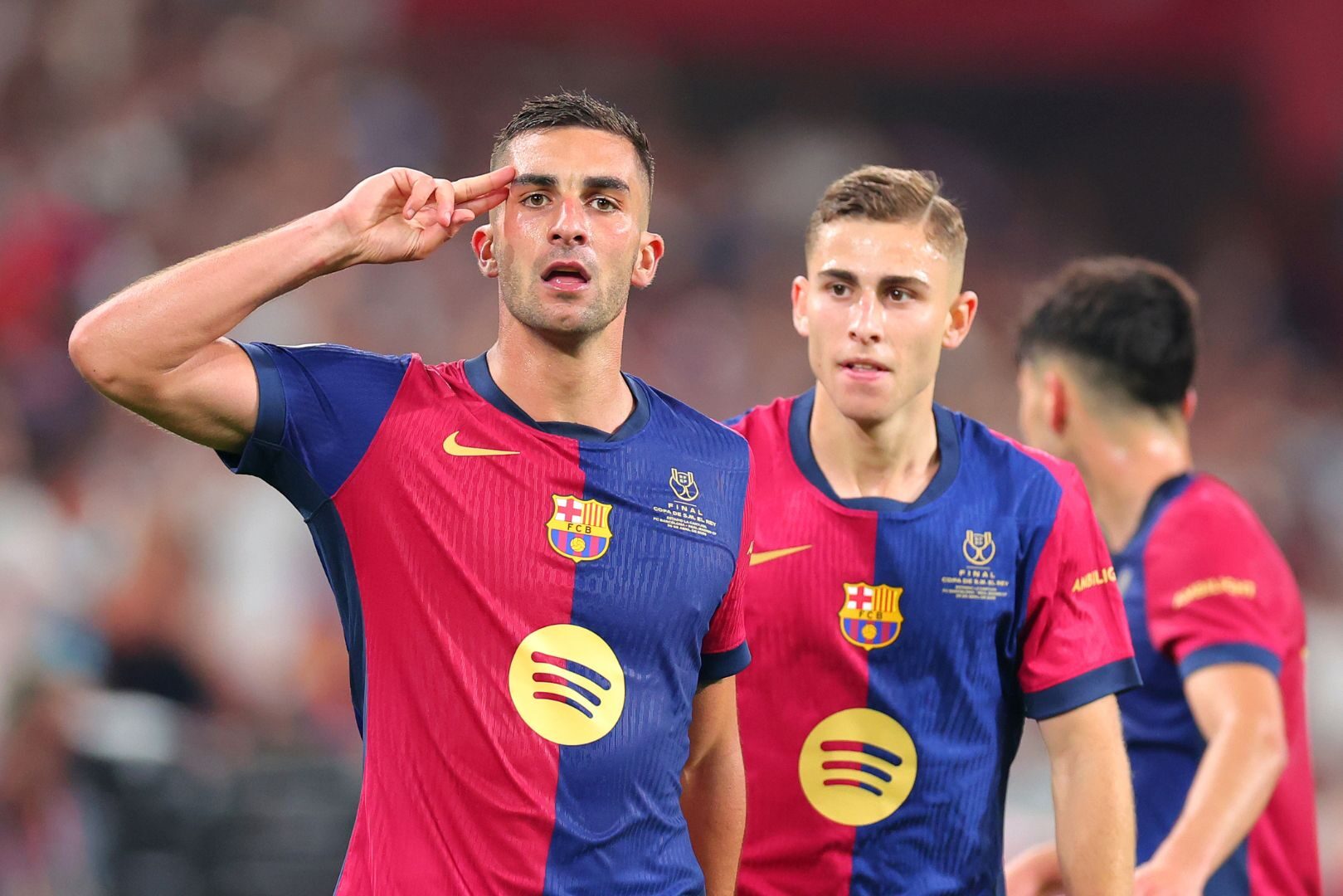
The first 20 minutes delivered immediate drama. Nicolo Tresoldi opened the scoring in the 6th minute with a precise finish from Forbs’ assist. Barcelona responded quickly, with Ferran Torres leveling just two minutes later, demonstrating their attacking fluidity.
Brugge regained the lead in the 17th minute through Forbs, completing a swift counterattack that highlighted Barcelona’s defensive gaps. The opening exchanges illustrated how possession alone does not guarantee control, as Brugge turned limited opportunities into goals while constantly challenging the visitors’ backline.
Second-Half Twists and VAR Controversy – Club Brugge vs Barcelona
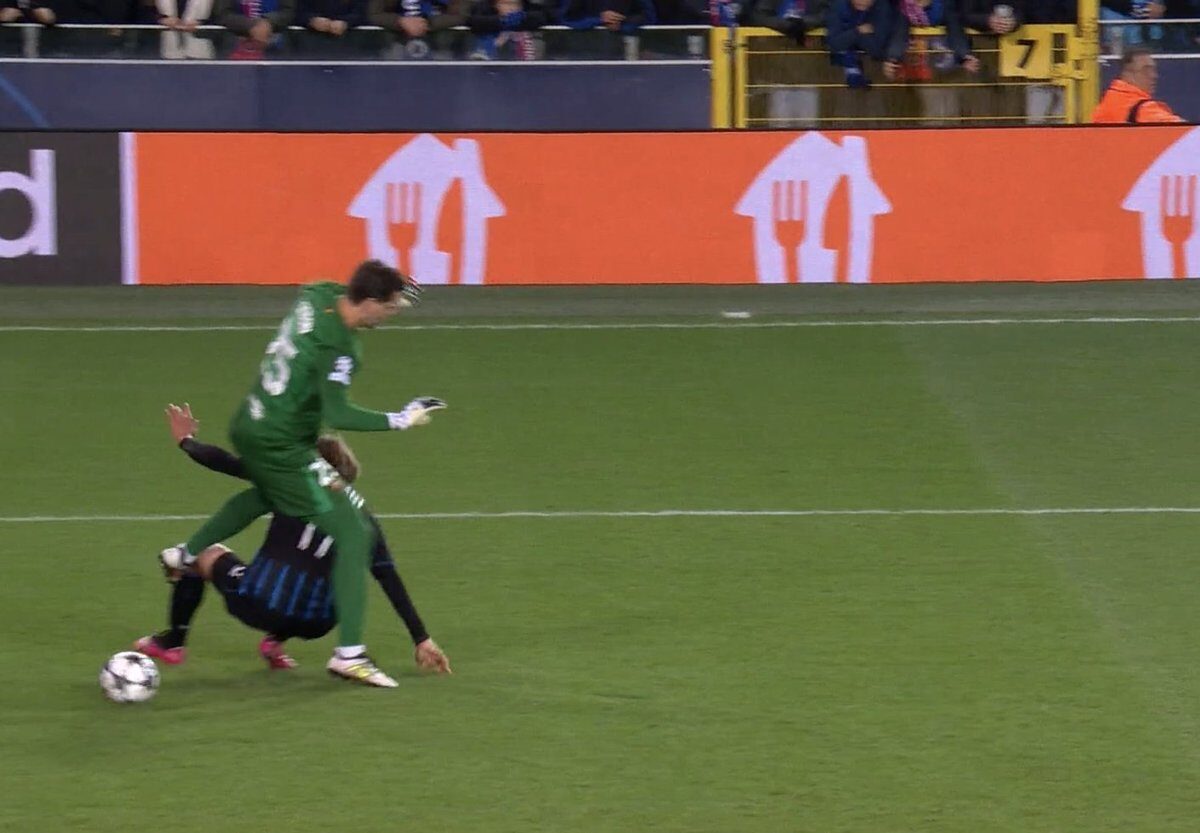
Barcelona regained momentum after halftime, with Lamine Yamal scoring a stunning solo goal in the 61st minute. Brugge responded instantly, with Forbs completing his brace two minutes later, underlining their counterattacking threat.
Barcelona equalized again through a Tzolis own goal in the 77th minute, setting up a nail-biting finish. Stoppage-time drama ensued when Vermant’s strike appeared to win it for Brugge, only for VAR to rule it out for offside. These moments underscored the fine margins that determine Champions League outcomes.
Tactical Insights and Standout Performances – Club Brugge vs Barcelona
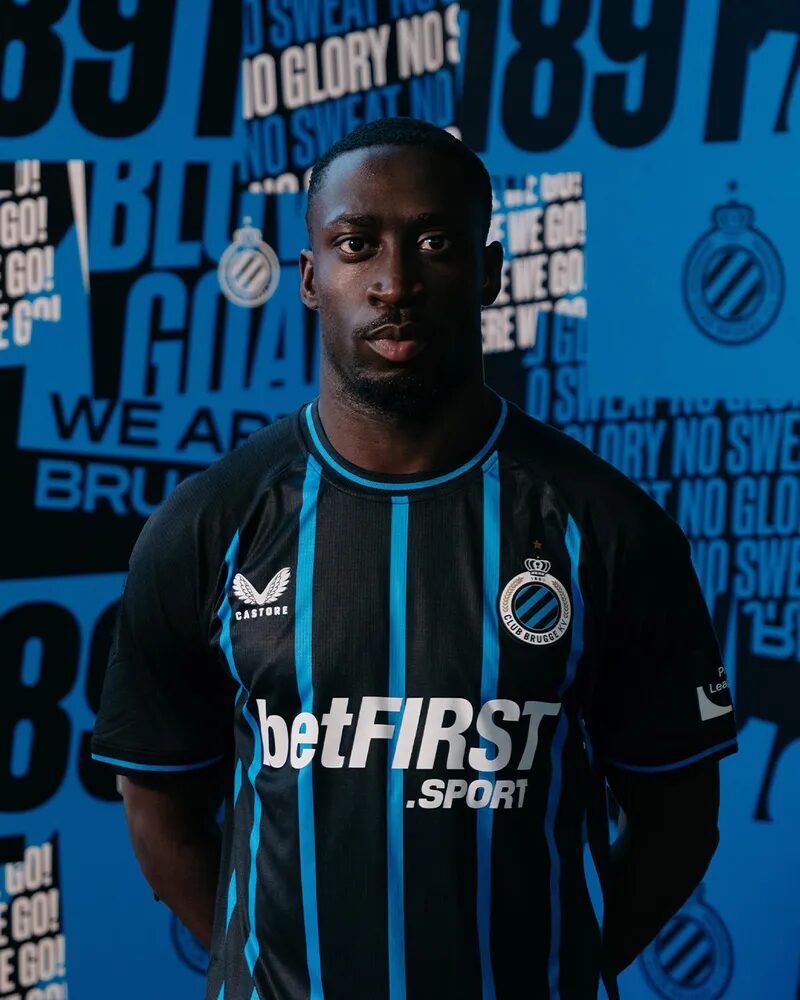
Barcelona’s 4-2-3-1 formation prioritized possession (76.1%) and high pressing but left gaps Brugge exploited efficiently. Brugge’s compact defensive setup and vertical transitions maximized impact from limited possession.
Key performers:
- Carlos Forbs — 2 goals, 1 assist, Man of the Match
- Lamine Yamal — 7th UCL goal as a teenager, showing maturity and technical skill
- Fermin López — 2 assists, providing a creative link in midfield
Match Statistics
| Stat | Club Brugge | Barcelona |
|---|---|---|
| Possession | 23.9% | 76.1% |
| Shots (on target) | 10 (6) | 23 (6) |
| Expected Goals (xG) | 2.14 | 2.14 |
| Corners | 0 | 4 |
| Saves | 4 | 3 |
The numbers highlight Brugge’s efficiency and Barcelona’s challenge in converting possession into a decisive advantage.
Conclusion: Lessons from a Belgian Battle – Club Brugge vs Barcelona
The Club Brugge vs Barcelona clash highlighted the importance of tactical discipline, efficiency, and composure in high-level European football. Flick emphasized the need for defensive improvement, while Forbs celebrated Brugge’s resilience and effectiveness.
For Barcelona, the match was a reminder that creativity and possession must be balanced with defensive stability. For Brugge, it reinforced belief in their approach and their capacity to challenge elite teams. The 3–3 draw offered lessons in strategy, player execution, and adaptability — the hallmarks of Champions League football.


