

In an era of hyper-realistic trailers, it has become increasingly difficult to distinguish between genuine gameplay innovation and clever cinematic editing. Many players still operate under the assumption that a “next-gen” experience requires a map twice the size of its predecessor to be considered a success. However, the current open world game 2026 landscape proves that “bigness” is often the enemy of “depth.” As we analyze the titles currently dominating the charts, it becomes clear that the community is shifting its focus away from raw landmass and toward the quality of the interactions found within those spaces.
| Common Myth | The Gaming Reality | The Truth in Practice |
|---|---|---|
| Bigger is Better | Scale often leads to “empty world” syndrome. | Dense maps like Night City feel larger. |
| Infinite AI | Most NPCs still follow sophisticated scripts. | Schedules in Kingdom Come 2 provide the illusion. |
| Total Freedom | Design “chokepoints” guide the narrative. | Elden Ring uses difficulty to soft-gate areas. |
| New is Best | Remasters often outshine new releases. | Witcher 3 remains the narrative gold standard. |
Clarifying the “Map Size” Delusion in Modern Design
One of the most persistent misunderstandings in the world of adventure games is that a larger square mileage automatically results in more playtime. We must debunk the idea that “travel time” is the same as “gameplay.” In fact, some of the most respected PC games and PS5 games in 2026 are those that have constrained their boundaries to ensure every alleyway and tavern feels unique. A map that is 100 kilometers wide but 1 inch deep is a ghost town; a map that is 10 kilometers wide but packed with interior spaces and vertical layers is a world.
- The Trap of Procedural Generation: Just because a world is infinite doesn’t mean it is interesting.
- The Value of Verticality: A single skyscraper can hold more secrets than a vast, empty forest.
- Density over Distance: Why players are choosing smaller, hand-crafted zones over endless procedural plains.
The Reality of Reactive AI in an Open world game 2026
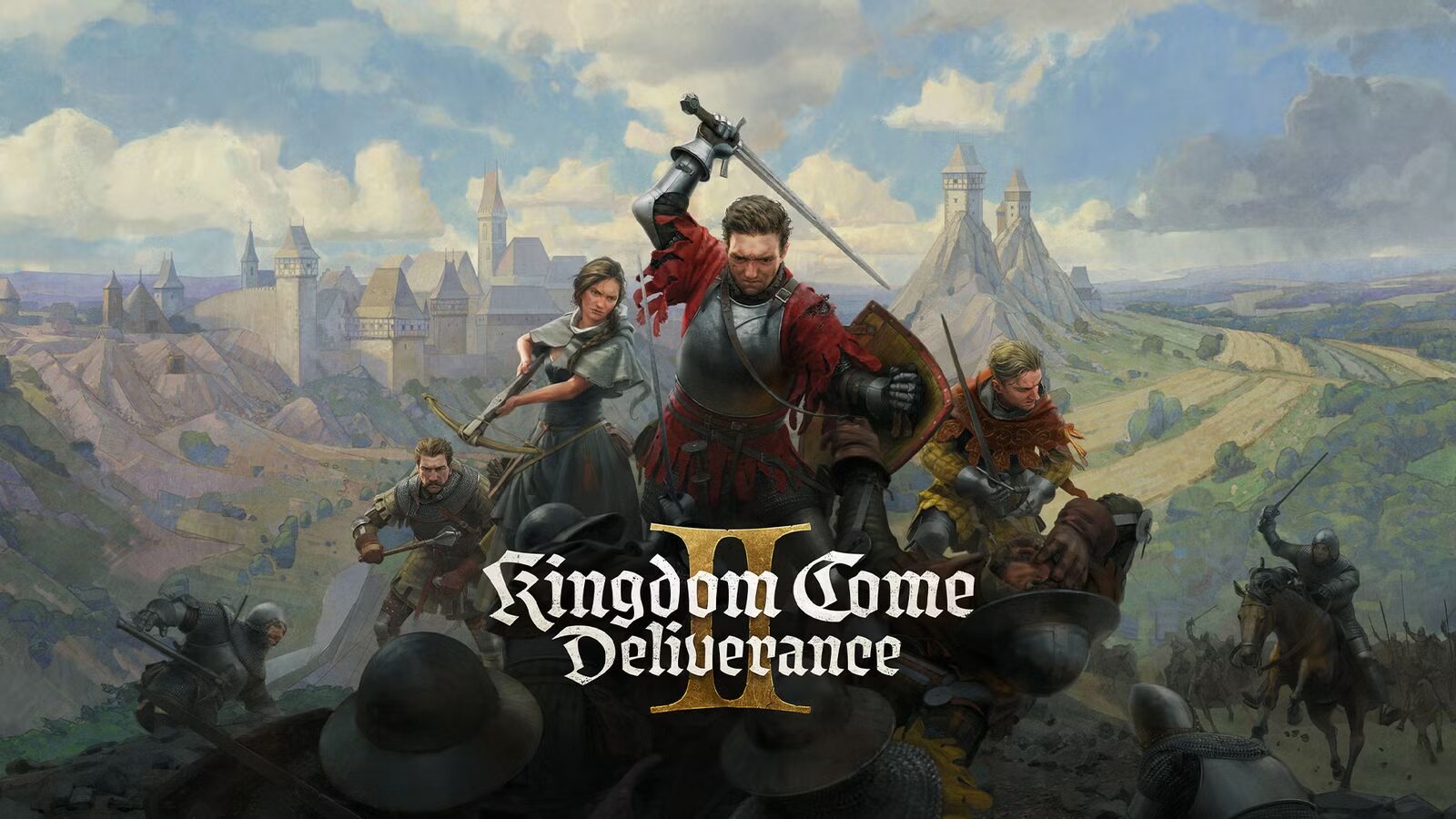
We frequently see claims that NPCs in modern titles possess “autonomous lives,” but it is vital to clarify the technical reality. Most exploration games utilize “Radiant AI” or complex scheduling rather than true decision-making. While it is impressive to see a blacksmith go to the pub after work in Kingdom Come: Deliverance 2, he isn’t “thinking”—he is following a sophisticated clock. Understanding this allows us to appreciate the developer’s skill in world-building without being disappointed when the simulation hits its inevitable technical ceiling.
Dismantling the Myth of “Every Choice Matters” in RPGs
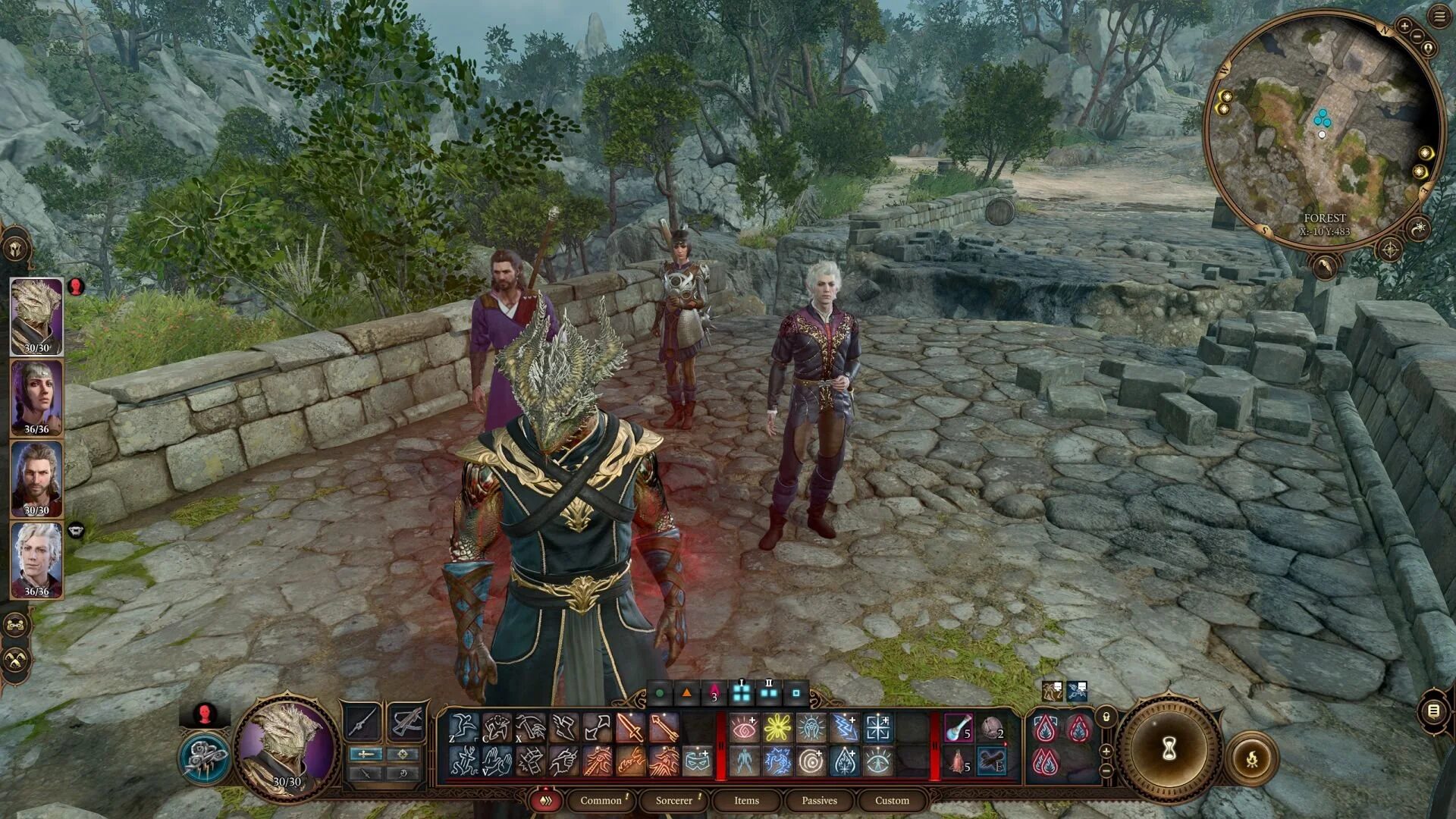
It has become a marketing staple to promise thousands of unique endings, yet this is a myth that needs careful dismantling. In most RPG open world titles, the narrative is like a river with several islands; you can choose which side of the island to swim on, but the current always takes you to the same ocean. However, we should clarify that games like Baldur’s Gate 3 have significantly widened these banks. While total narrative freedom is still a fantasy, the “illusion of choice” has become so refined that the emotional impact on the player remains genuine and powerful.
- Branching Paths: Most games offer different “flavors” of the same outcome rather than entirely new worlds.
- Persistence: The world remembering your crimes or deeds is often a series of “if/then” flags.
- Narrative Chokepoints: Fixed events that must happen to keep the game’s production manageable.
Correcting the Visuals vs. Atmosphere Misconception
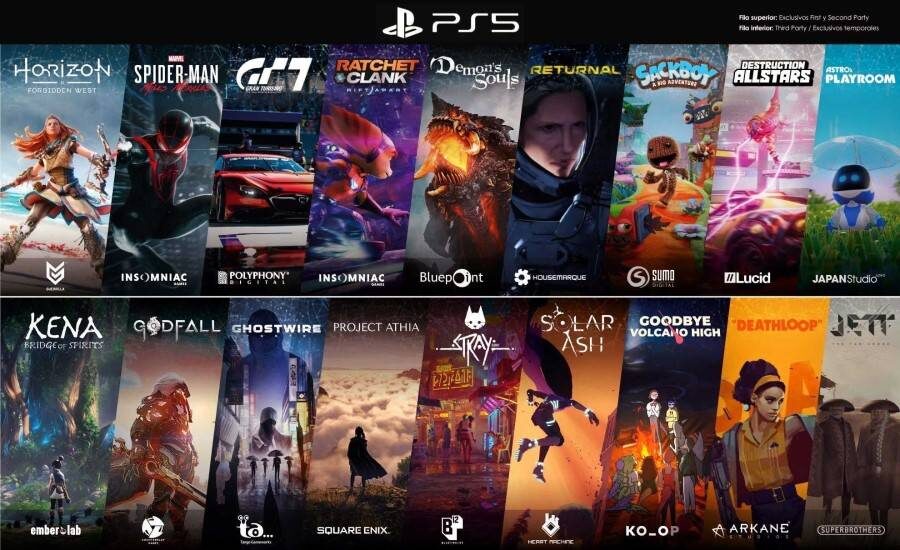
There is a loud contingent of the Xbox Series X community that equates “immersion” strictly with 8K textures and ray-tracing. This is a misconception that ignores the importance of art direction. We should clarify that immersion is a psychological state triggered by sound, lighting, and consistency—not just pixel density. A game like Elden Ring may not have the highest polygon count on the market, but its atmospheric design creates a sense of dread and wonder that “photorealistic” games often fail to capture.
Final Reflections: Embracing a Mature View of Virtual Worlds
Stripping away the myths surrounding the open world game 2026 genre doesn’t make the games any less magical; it simply makes us more informed critics. When we stop chasing the “infinite map” or the “sentient NPC,” we can begin to celebrate the real achievements of modern studios: the hand-crafted lore, the tight mechanical loops, and the breathtaking art direction that makes these escapes possible.
The future of gaming isn’t about creating a literal second reality, but about creating a more convincing and reactive playground. As we look forward to future giants like The Elder Scrolls VI, we should keep these clarifications in mind. The best virtual worlds aren’t the ones that try to do everything, but the ones that do a few things with such heart and detail that we forget we’re looking at a screen.


