Home » Australia’s Spin Gamble: The Tactical Blueprint for T20 World Cup 2026

Australia’s Spin Gamble: The Tactical Blueprint for T20 World Cup 2026

On New Year’s Day 2026, Cricket Australia officially revealed its provisional 15-man squad for the T20 World Cup 2026, confirming a radical departure from the pace-heavy doctrines of the past. Led by Mitchell Marsh, the squad has been tailored specifically for the turning tracks of India and Sri Lanka. As a result, selectors have invested heavily in slow-bowling resources while daringly relying on the fitness of several key superstars.

Importantly, the announcement marks a pivotal moment for the 2021 champions. By prioritising “skill over symmetry,” the selection panel has signalled that it is no longer wedded to traditional bowling archetypes. Instead, the group will attempt to exploit the abrasive surfaces of Colombo and Kandy with variety and control.


The Great Spin Pivot: Beyond Adam Zampa
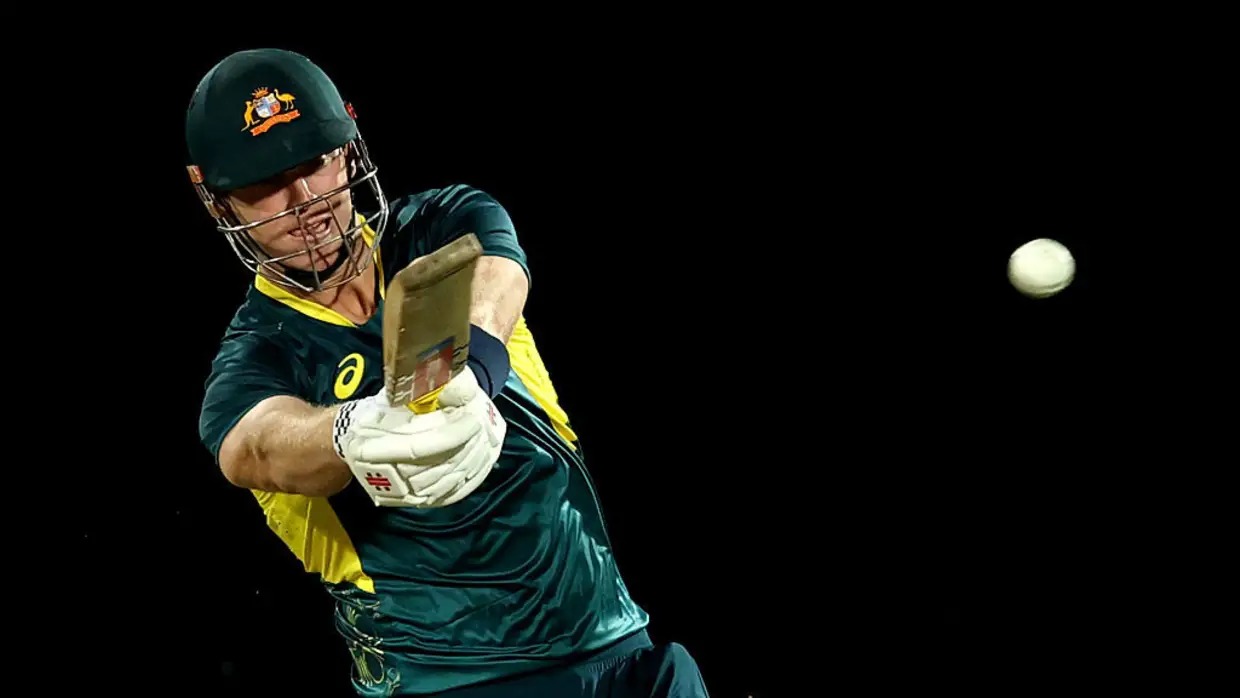
T20 World Cup 2026

For much of the past decade, Adam Zampa has often carried Australia’s spin attack alone. However, for the 2026 campaign, selectors have surrounded him with a diverse cast of slow bowlers designed to unsettle opposition batters on subcontinent wickets.

  • Matthew Kuhnemann’s Recall: The standout surprise is the inclusion of left-arm orthodox spinner Matthew Kuhnemann. Despite limited T20I appearances, his success during the 2025 Test tour of Sri Lanka convinced selectors that his height and dip are well suited to these conditions.
  • The Rise of Cooper Connolly: The 22-year-old “bolter” has been rewarded for his explosive domestic form. Connolly provides a rare “triple-threat” profile: an explosive middle-order finisher, a reliable left-arm spin option, and an elite fielder.
  • Deep All-Rounder Support: The presence of Glenn Maxwell and Matthew Short ensures that Captain Marsh will never be short of options. Short, in particular, has evolved into a genuine powerplay bowling threat, allowing Australia to save Zampa’s overs for the middle phases.

The “Injured Three” and the January 31 Deadline

While the tactical shift is clear, physical readiness remains the biggest talking point. Selectors have named three of Australia’s most decorated players despite significant injury concerns.

Injury Status Report | Australia T20WC

1. Pat Cummins +
The Test and ODI captain was rested from the final Ashes Tests due to recurring back issues. He is scheduled for critical imaging later this month to determine if his lumbar stress injury has sufficiently healed.
2. Josh Hazlewood +
Having missed the entire Ashes series with Achilles soreness and a hamstring strain, Hazlewood is currently in a race against time. His inclusion suggests the medical staff believes he can reach peak fitness by the February 11 opener.
3. Tim David +
The finishing specialist is rehabilitating a grade-two hamstring strain picked up on Boxing Day. As Australia’s premier power-hitter, his absence would leave a massive void in the lower-middle order.
Medical Update | Jan 2026

Because this is a provisional squad, selectors have until January 31, 2026, to make changes without ICC technical committee approval for medical reasons. Consequently, this 30-day window acts as a vital safety net for the Australian camp.


A Post-Starc Reality: Why Xavier Bartlett?
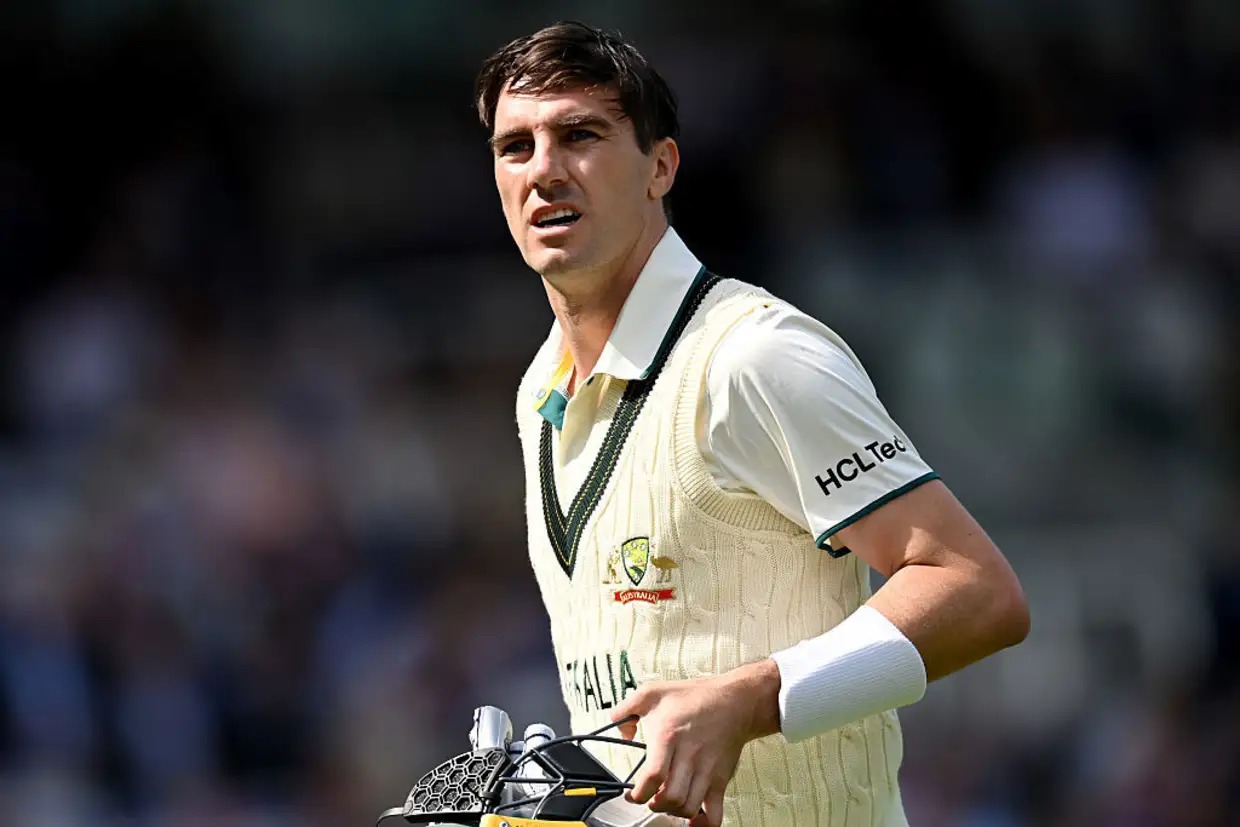
T20 World Cup 2026

The retirement of Mitchell Starc from the T20 format created a significant gap in Australia’s powerplay strategy. Many analysts expected Ben Dwarshuis to become the natural successor due to his left-arm angle. However, selectors instead opted for Xavier Bartlett.

This decision marks the first time in more than a decade that Australia will enter a major tournament without a specialist left-arm seamer. The panel believes Bartlett’s elite control, subtle seam movement, and heavy ball suit Sri Lanka’s low-bounce surfaces better than raw left-arm variety. As a result, he will join Nathan Ellis and the returning Cameron Green in a right-arm pace unit that prioritises variation over sheer velocity.


Australia’s Group B Roadmap

Australia will play all their group-stage matches in Sri Lanka. This schedule allows the team to settle in one region before a potential move to India for the Super Eight stage.

Australia Group B Fixtures

T20 World Cup 2026 | Sri Lanka

FEB 11
Wednesday
Australia vs Ireland
R. Premadasa Stadium, Colombo
8:30 PM
AEDT
FEB 13
Friday
Australia vs Zimbabwe
R. Premadasa Stadium, Colombo
4:30 PM
AEDT
FEB 16
Monday
Australia vs Sri Lanka
Pallekele Stadium, Kandy
12:30 AM
AEDT (FEB 17)
FEB 20
Friday
Australia vs Oman
Pallekele Stadium, Kandy
1:30 AM
AEDT (FEB 21)
Group B | 4 Matches Scheduled

Travel & Venue Intel for Australian Fans

Do Australians need a visa to enter Sri Lanka for the World Cup? +
As of 2026, Sri Lanka often utilizes a visa-free entry scheme for Australian citizens to encourage tourism during major sporting events. However, travelers must still apply for an Electronic Travel Authorization (ETA) via the official government portal before departure. Ensure your passport is valid for at least six months beyond your stay.
What are the bag and security rules at the stadiums? +
Security at both R. Premadasa and Pallekele is comprehensive. Fans are generally allowed one small personal bag, which may be searched. Prohibited items usually include professional cameras (DSLRs), umbrellas, large power banks, and outside food or glass bottles. It is highly recommended to carry a physical copy of your ticket as digital scanning can occasionally be interrupted by poor connectivity.
How should fans prepare for the weather in Colombo vs Kandy? +
The climates vary significantly. Colombo is tropical and humid, often reaching 30°C; hydration and high-SPF sunscreen are vital. Kandy, being in the hill country, can be much cooler at night. For the matches starting at 12:30 AM, temperatures can drop significantly, so bringing a light jacket or fleece to the Pallekele Stadium is a smart move for Australian supporters.
What are the local laws regarding alcohol and conduct? +
Alcohol is generally not sold or permitted inside the main stadium seating areas. Additionally, be aware of Poya Days (full moon holidays), where the sale of alcohol is prohibited nationwide. Conduct-wise, respect for local customs is essential; ensure tattoos of religious figures are covered and avoid posing disrespectfully near Buddhist statues or sites.
How do I get between Colombo and Kandy? +
The most scenic and popular option is the intercity train, which takes about 3 to 4 hours; tickets should be booked in advance as they sell out during the World Cup. Alternatively, private taxis or ride-sharing apps like PickMe are available for a more direct door-to-door service, typically costing between $60–$100 AUD depending on the vehicle type.
T20WC Fan Support | 2026

Leave a Reply

Your email address will not be published. Required fields are marked *

Back To Top