

The Tottenham vs Man United encounter highlighted the intensity of Premier League competition. Spurs aimed to secure a top-three spot, while Manchester United wanted to maintain momentum in the Champions League race.
From the outset, the match was a tactical and emotional battle. Tottenham twice recovered to draw level, showing attacking initiative, while United demonstrated resilience despite finishing the game with ten men after a late injury. Fans witnessed a contest defined by tactical choices and critical moments.
Spurs’ First-Half Limitations – Tottenham vs Man United
Despite controlling 54% of possession, Tottenham struggled to create meaningful opportunities. The team’s buildup play was slow, creativity limited, and finishing inconsistent, which frustrated supporters.
Manchester United exploited Spurs’ early lapses. Bryan Mbeumo linked with Amad Diallo to score on a counter, giving United the lead. Spurs failed to respond before halftime, and the atmosphere in the stadium reflected growing discontent.
| Team | First-Half Possession | Shots (On Target) | Goals |
|---|---|---|---|
| Tottenham | 54% | 4 (1) | 0 |
| Man United | 46% | 6 (3) | 1 |
The stats underline how possession alone was insufficient for Spurs to gain an early advantage.
Substitution Sparks Spurs’ Response – Tottenham vs Man United
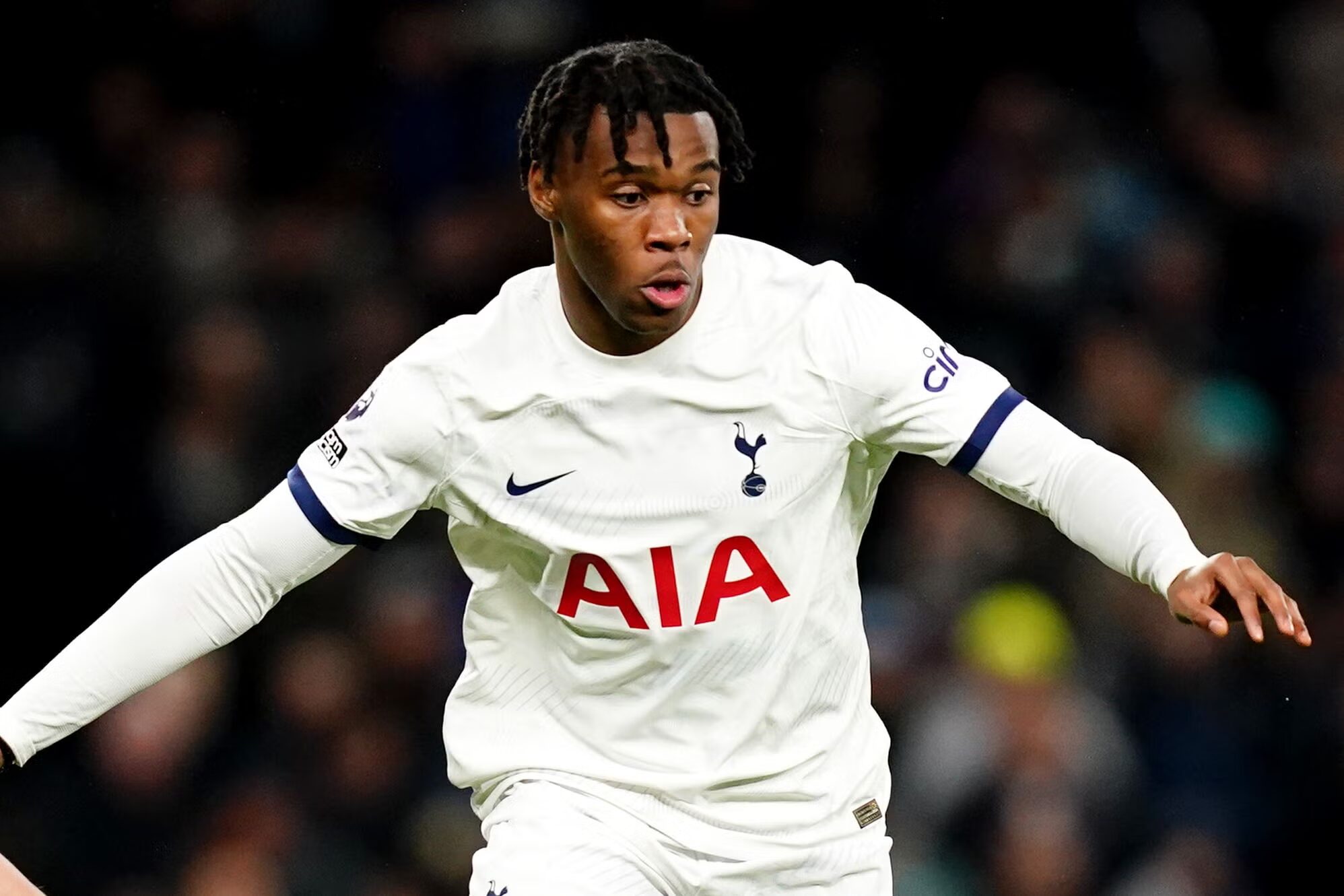
Manager Thomas Frank made a decisive change in the 79th minute, bringing Mathys Tel on for Xavi Simons. While initially questioned, Tel immediately influenced the game.
Tel scored the equalizer in the 84th minute after a combination with Wilson Odobert and Destiny Udogie, showing how substitutions can shift momentum. Frank’s tactical move demonstrated the importance of bench depth and adaptability in high-pressure matches.
Stoppage-Time Goals Decide the Result
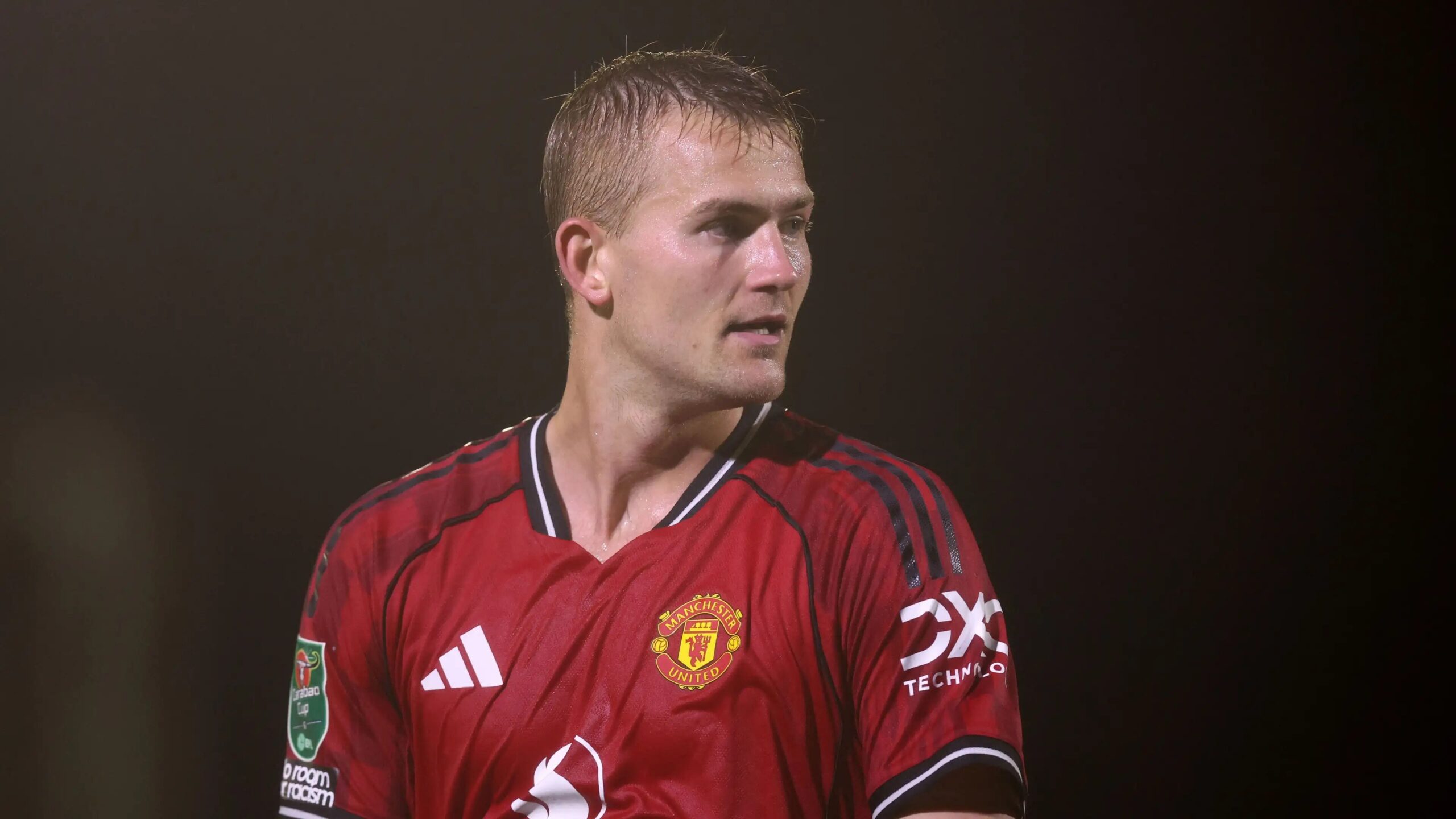
The match reached a dramatic conclusion in stoppage time. Richarlison ended a 13-match goal drought at 90+1’, giving Spurs hope of victory.
However, Matthijs de Ligt scored at 90+6’ from a corner, securing a 2-2 draw for United. Despite being a man down after Benjamin Sesko’s late injury, United displayed resilience and defensive organization. These final moments highlighted the Premier League’s unpredictability and the significance of fine margins.
United’s Key Takeaways and Tactical Observations
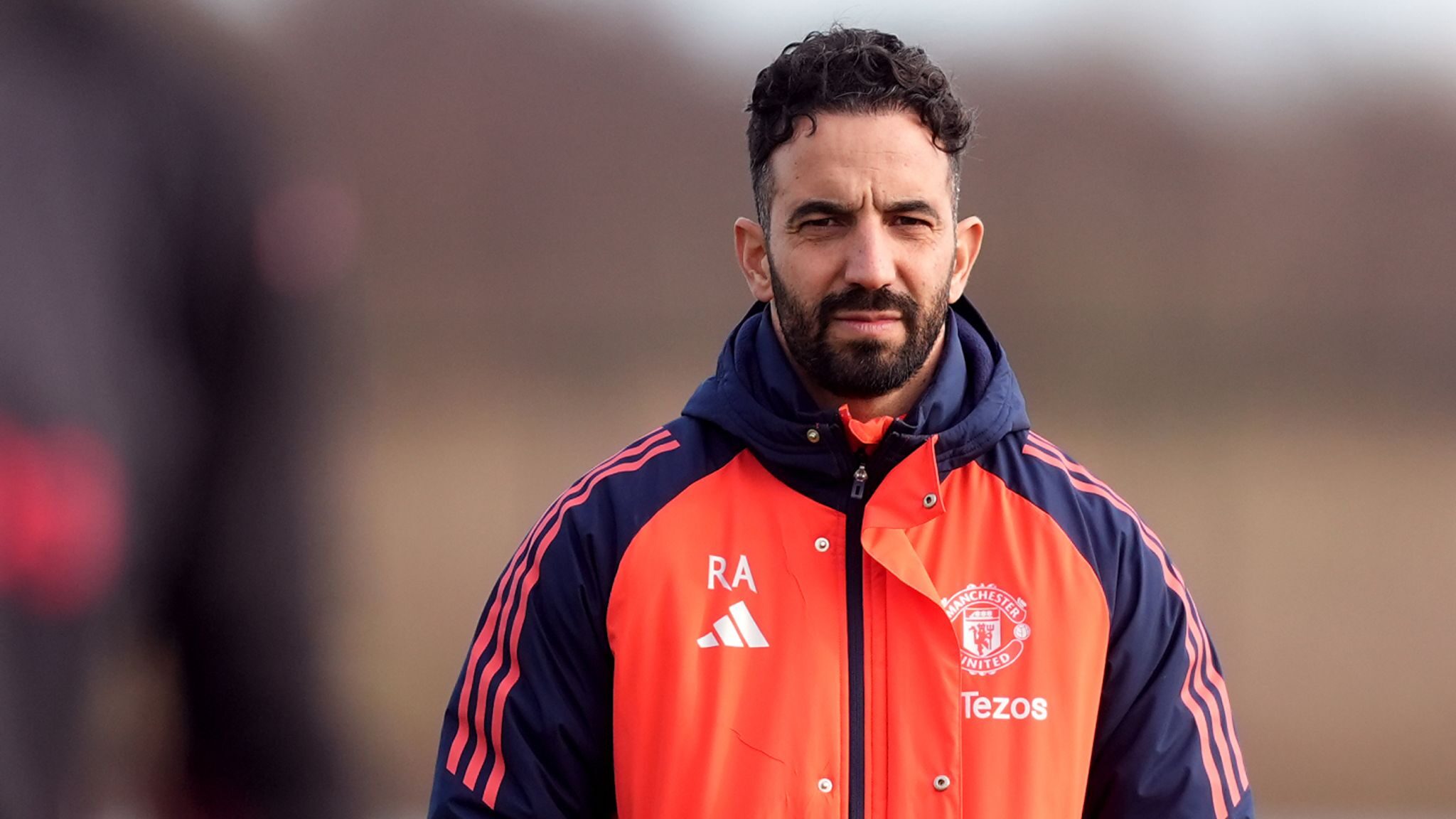
Manchester United extended their unbeaten run to five matches, demonstrating tactical maturity under Ruben Amorim. Key performers included Mbeumo and Amad Diallo, although both will soon leave for AFCON duty. Sesko’s struggles and late injury emphasized squad management challenges.
United attacking stats:
| Metric | Total |
|---|---|
| Goals | 2 |
| Expected Goals (xG) | 1.8 |
| Crosses | 17 |
| Key Passes | 9 |
Amorim also included Jack Fletcher to maintain United’s 88-year academy tradition, balancing youth development with tactical priorities.
Looking Ahead: Lessons and Next Steps
Both managers reflected on positives and areas to improve. Thomas Frank praised Spurs’ response after setbacks, while Ruben Amorim highlighted his team’s adaptability.
- Tottenham: Rise to 3rd but home form inconsistent — 5 points from 6 games.
- Manchester United: Hold 7th, narrowing the gap to the top six while managing absences.
Upcoming fixtures — Spurs vs Everton and United vs Newcastle — will test depth and consistency. The Tottenham vs Man United 2-2 draw offered insights into momentum swings, tactical substitutions, and the impact of key moments, providing lessons for teams and analysts alike.


