

When Valorant launched in June 2020, it entered a crowded market dominated by CS:GO, Overwatch, and Rainbow Six Siege. Six years later, it’s not just competing—it’s leading. The Valorant player count 2026 has reached new heights, driven by console expansion, a thriving esports scene, and Riot’s steady content cadence.
Here is the latest data on how Valorant is performing and why it continues to grow.
The Numbers: Monthly Active Users
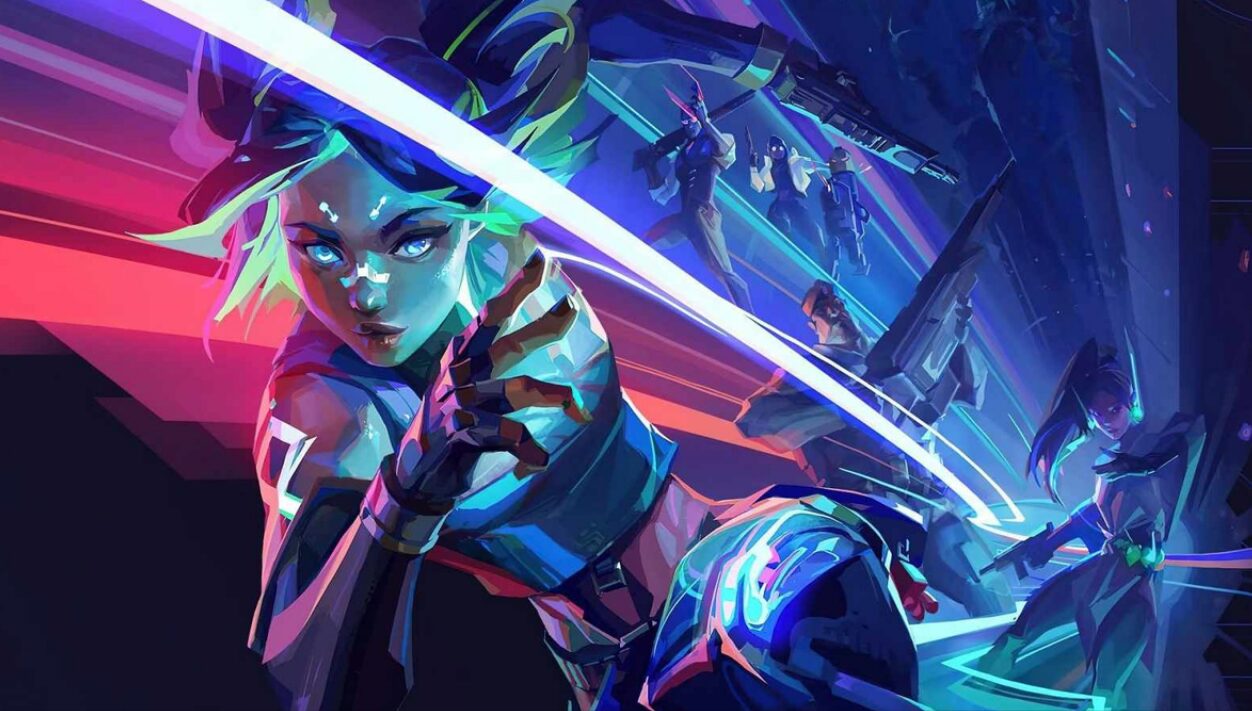
Valorant currently boasts an estimated 30-35 million monthly active users across all platforms, according to industry analysts . This represents a 15% increase year-over-year, with the console launch accounting for the majority of new players.
Peak concurrent players across PC and console are estimated at 5-7 million during peak hours, with weekends and content drops driving higher engagement . Matchmaking times remain under 30 seconds in all major regions, the clearest indicator of a healthy player base.
Here is the breakdown of Valorant’s growth metrics:
| Metric | 2024 | 2026 | Growth |
|---|---|---|---|
| Monthly Active Users | 25-28 million | 30-35 million | +15% |
| Peak Concurrent | 4-5 million | 5-7 million | +25% |
| Console Players | 0 | 8-10 million | New |
| Esports Viewership (Masters) | 800K average | 1.1M average | +37% |
| Champions Peak Viewers | 1.5 million | 2.2 million | +46% |
Console Success Story
Valorant’s console launch in late 2024 was a gamble. Tactical shooters on controller have historically struggled to capture the PC audience’s depth, but Riot’s implementation has defied expectations. Console now accounts for an estimated 8-10 million monthly active users, with strong retention rates.
The console version maintains competitive integrity through input-based matchmaking. Controller players face controller players unless they explicitly queue with PC friends. This has addressed the mouse-and-keyboard advantage concern and created a welcoming environment for new players.
Esports Viewership Records
The VCT 2025 season set new viewership records, with Champions peaking at 2.2 million concurrent viewers. Masters events averaged 1.1 million viewers, up 37% from 2024. The growth is driven by increasing popularity in Asia and South America, where local teams have become competitive on the global stage.
The 2026 season is expected to break these records. With three Masters events in Bangkok, São Paulo, and Tokyo, Riot is betting on local audiences to drive viewership. Early ticket sales for Masters Bangkok have already sold out the arena capacity of 8,000 seats.
The China Factor
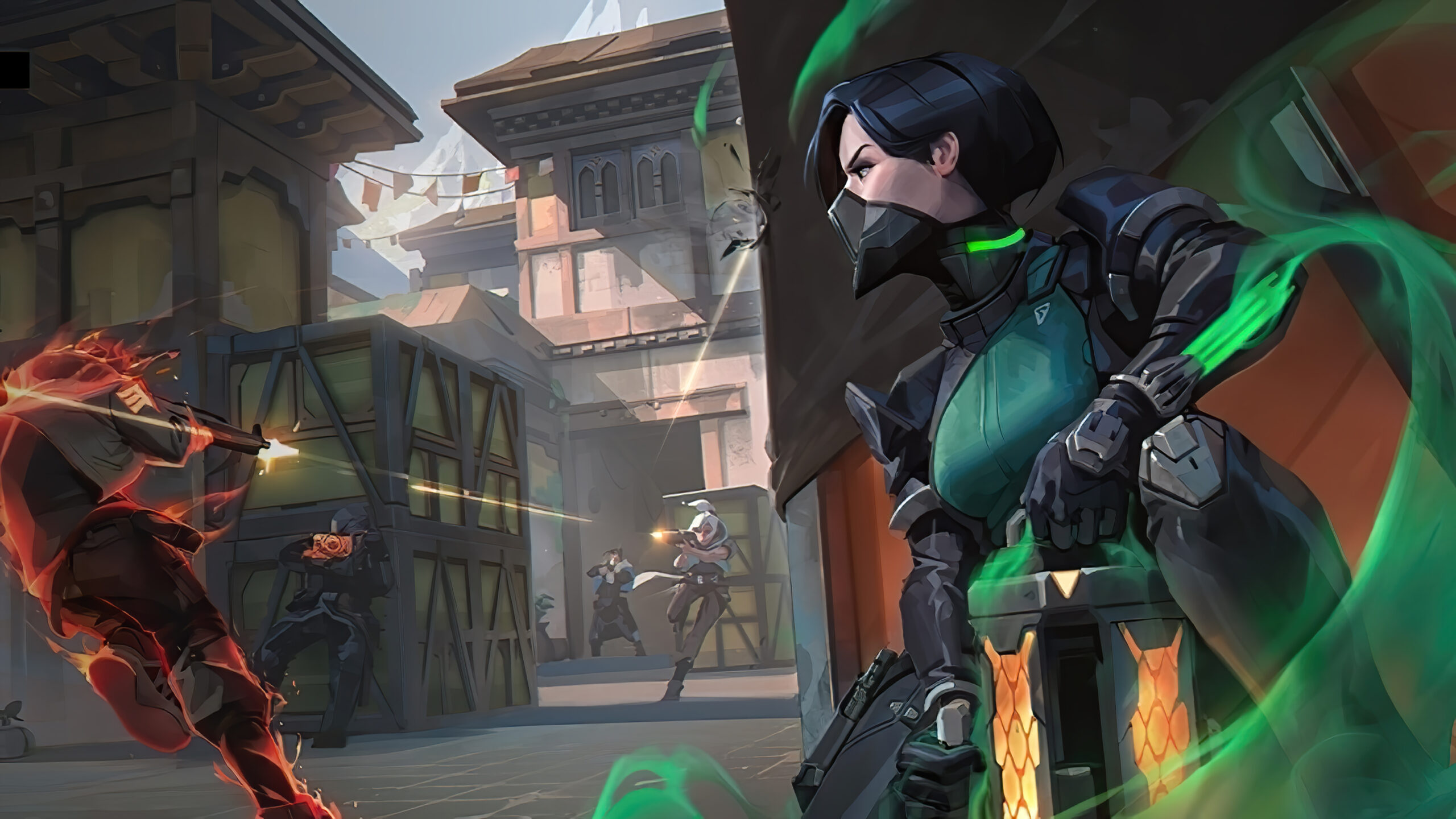
China has become Valorant’s fastest-growing region since the game’s official launch there in 2023. The Chinese International League now operates independently with dedicated production and broadcast teams . Local teams like EDward Gaming and Trace Esports have become fan favorites, driving domestic viewership.
Chinese viewership accounts for approximately 30% of total VCT hours watched, a figure that continues to grow. Riot’s partnership with local platforms and influencers has successfully built the Valorant brand in a market traditionally dominated by PC games like CrossFire.
Why Players Stay
Valorant’s retention metrics are among the best in the genre. The average player logs 8-10 hours per week, with competitive players averaging significantly more . The ranked system creates progression loops that keep players invested, while regular content updates provide variety.
The agent release schedule—approximately 3 new agents per year—adds fresh strategic depth without overwhelming players. Each new agent shifts the meta subtly, giving veterans new puzzles to solve without alienating casual players.
Competition with CS2
Valorant and CS2 coexist more than compete. Player surveys show that approximately 40% of Valorant players also play CS2 regularly, and vice versa. The games serve different audiences: Valorant attracts players who enjoy ability-based tactical gameplay, while CS2 appeals to pure gunplay purists.
Riot’s focus on accessibility has also helped. The game runs on lower-end hardware than CS2, making it the default choice for players in emerging markets where high-end PCs are less common.
The Future
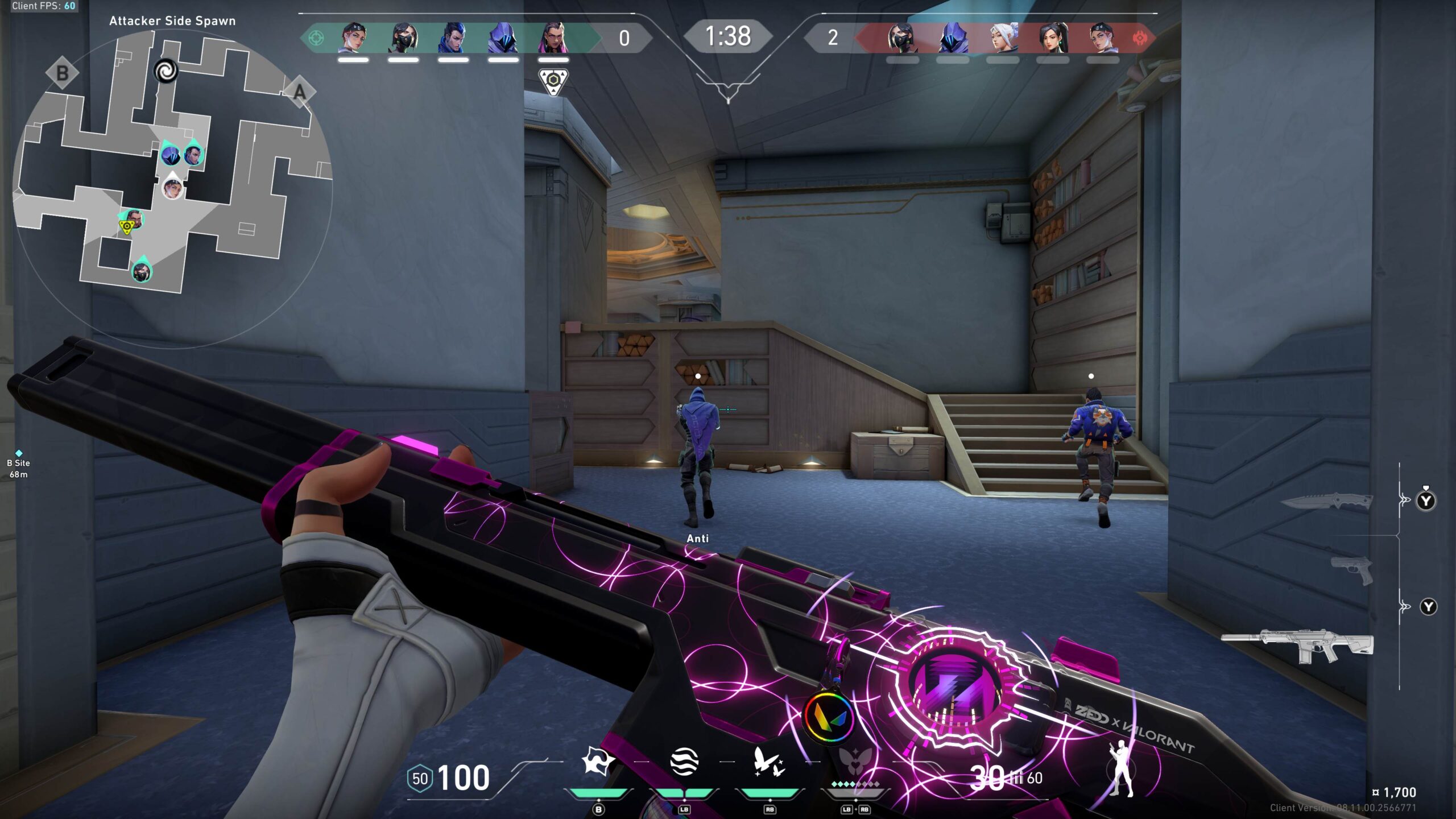
With Patch 12.05’s visual overhaul improving accessibility, the console player base still growing, and the 2026 VCT season set to be the biggest yet, Valorant shows no signs of slowing. Riot has committed to supporting the game for at least another decade, with new agents, maps, and modes planned through 2030.
The game that started as a CS:GO competitor has become a pillar of modern gaming. Six years in, Valorant isn’t just surviving—it’s thriving.


