

Every year, someone predicts the decline of mobile MOBAs. Every year, Mobile Legends: Bang Bang proves them wrong. As the game enters its tenth anniversary in 2026, its cultural relevance shows no signs of fading .
Launched in 2016 by MOONTON Games, MLBB has transformed from a regional favorite into a global phenomenon. The question isn’t just about numbers. It’s about understanding why Mobile Legends is so popular when so many competitors have failed to replicate its success.
Accessibility Is Everything
The primary reason for MLBB’s dominance is simple: it works on almost any phone. While PC MOBAs like League of Legends and Dota 2 require gaming rigs, and while some mobile competitors demand flagship devices, MLBB runs smoothly on budget hardware common in Southeast Asia, Latin America, and other emerging markets .
Matches average 10-15 minutes, compared to 30-45 minutes for PC MOBAs. This shorter format fits perfectly into mobile gaming sessions—commutes, lunch breaks, quick gaming sessions between tasks . Players can get their competitive fix without blocking out an hour of their day.
The control scheme is also more forgiving than PC equivalents. Virtual joysticks and simplified ability aiming lower the barrier to entry. New players can feel competent within hours rather than weeks .
Here is the breakdown of why Mobile Legends dominates:
| Factor | How MLBB Does It | Why It Works | Competitor Comparison |
|---|---|---|---|
| Accessibility | Runs on budget phones, 10-min matches | Lower barrier to entry | Require flagship devices, longer matches |
| Social Play | Friend lists, guilds, voice chat | Digital gathering place | Transactional solo experience |
| Hero Design | Relatable, diverse, frequent releases | Always something new | Stale rosters, slow updates |
| Esports Ecosystem | MPL, MSC, M-Series World Champs | Path to pro for everyone | Fragmented or nonexistent |
| Regional Focus | Southeast Asia core, global expansion | Loyal heartland + new markets | Ignore heartland, fail globally |
The Social Layer
For millions of players, MLBB isn’t just a game—it’s where friends meet. The integrated friend system, guilds, and voice chat create persistent social spaces . Players don’t log in just to play; they log in to hang out with people they know.
This social infrastructure creates retention that gameplay alone can’t match. A player might get bored of the meta, but they won’t quit if their friends are still playing. The game becomes a digital third place, like a virtual café where people gather .
The emote and chat systems reinforce this. Spamming “Thanks!” after a teammate saves you, or “Good Game” after a close loss, builds rapport even without voice communication.
Hero Design and Fantasy
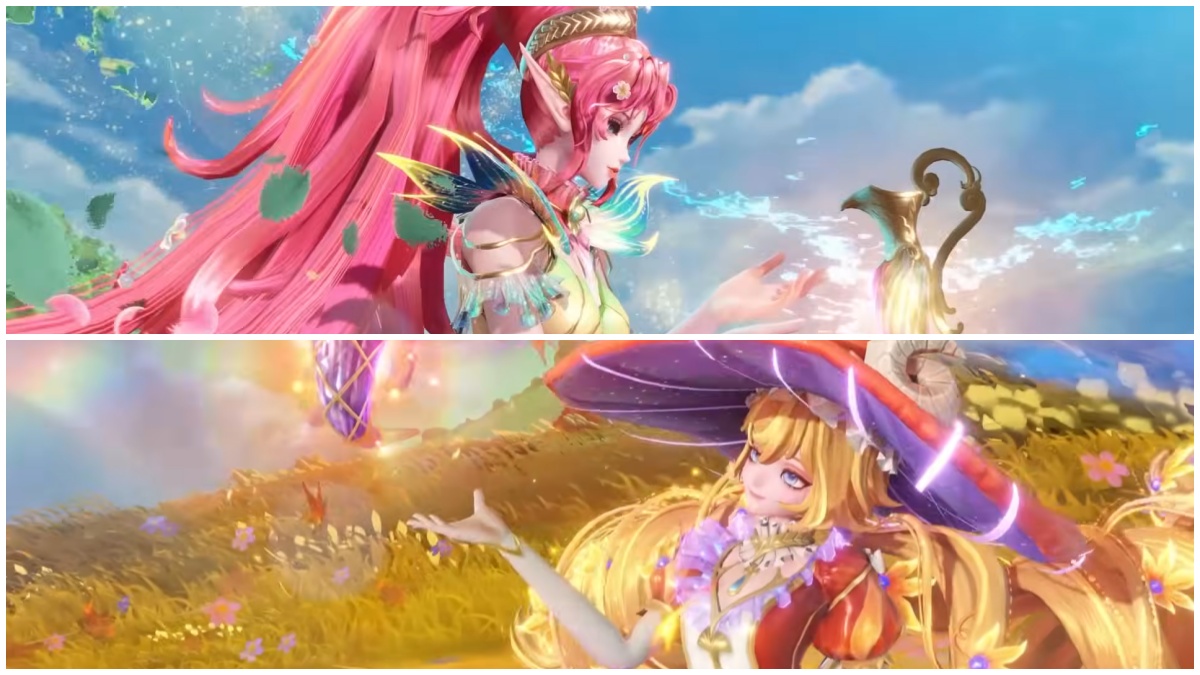
MLBB’s hero roster appeals across cultural boundaries. While some designs draw from global fantasy tropes, others specifically resonate with Southeast Asian audiences. Mythological figures, historical warriors, and pop culture references create diverse entry points .
New heroes release frequently—roughly one per month—keeping the meta fresh and giving players constant reasons to return. Even casual players want to try the new character, and that trial period often leads to extended play sessions .
The skin system also drives engagement. Seasonal skins, collaboration skins, and event-exclusive cosmetics create FOMO (fear of missing out) that keeps players checking the shop. Skins don’t affect gameplay, but they provide status signals and personal expression.
The Esports Dream
MLBB’s professional scene gives casual players something to aspire to. The MPL (Mobile Legends Professional League) operates across multiple countries, creating local heroes that fans can support . Unlike international leagues that feel distant, MPL teams represent cities and regions players actually live in.
The M-Series World Championships have become massive events. M7 in Jakarta drew over 5.68 million concurrent viewers, with arenas packed and national pride on the line . Watching ordinary players become superstars makes the dream feel achievable.
For young players in Southeast Asia, esports represents a legitimate career path. Success stories of players going from ranked grind to world champions circulate constantly, fueling the aspiration.
Regional Focus Before Global Ambition
Unlike Western companies that often ignore Southeast Asia, MOONTON built its foundation there. The game launched in the Philippines and Indonesia first, establishing loyal player bases before expanding outward . This regional focus created heartland markets that remain the game’s strongest supporters.
MPL Philippines and MPL Indonesia consistently break viewership records. Local fans treat players like celebrities. The games are broadcast on traditional television, not just streaming platforms . This mainstream acceptance gives MLBB cultural weight that pure esports titles lack.
Now MOONTON is expanding carefully. The M8 World Championship heading to Turkey marks the first serious European push. But they’re not abandoning the core—Thailand still hosts the Wild Card stage, keeping Southeast Asia central to the narrative.
Free-to-Play Sustainability
MLBB’s monetization model keeps the player base healthy. All heroes are earnable through gameplay, though grinding takes time. Skins provide the revenue stream without creating pay-to-win mechanics . Players who invest time feel respected. Players who invest money get cosmetics.
This balance keeps both casual and hardcore players satisfied. The game never feels like it’s demanding money to stay competitive, which is crucial for retention in markets where disposable income varies widely.
