

The 2025 AFLW Grand Final feels different. Not because North Melbourne and Brisbane are meeting again — that part is familiar — but because AFLW Grand Final stats have finally caught up to the emotional weight of the storyline. Two seasons of contrast, two seasons of recalibration, and now a third chapter that seems shaped as much by long-term trends as by short-term moments.
North Melbourne arrive with the steadiness of an unbeaten, meticulously constructed program. Brisbane come in with the volatility that only a pressure-based side can carry — a team that can be outplayed in general play yet win contests by shifting momentum in a five-minute burst. This Grand Final feels like a test of what modern AFLW values: structure, or disruption.
What the Data Really Says About the Rivalry
This matchup isn’t just a split result across two years — it’s a split in philosophy. Brisbane’s 2023 win was built on sheer pressure, forcing North Melbourne into rushed, uncomfortable football. The following year, North responded by stripping the chaos out of the contest, forcing Brisbane to defend long, stable passages of possession.
The 2025 season shows that both sides have doubled down on who they already were. North refined their method. Brisbane refined their volatility. The numbers make the divide clear:
2025 Season Comparison
| Metric | North Melbourne | Brisbane |
|---|---|---|
| Scoring Output | Efficient, measured | Turnover-fuelled, unpredictable |
| Inside 50 Efficiency | Among league’s best | Rising, but inconsistent |
| Tackles | Controlled intensity | High-pressure identity |
| Forward Half Time | League-leading | Dependent on momentum swings |
| Intercept Marks | Shared defensive burden | Dunne-led reliability |
| Centre Clearances | Riddell-driven | Strong in patches |
What stands out most is how each side gets the job done. North build sustained control. Brisbane push the match into chaos and feed off the uncertainty. In many ways, this rivalry has become a referendum on football identity.
Venue, Conditions and the Players Who Turn Patterns Into Outcomes – AFLW Grand Final stats
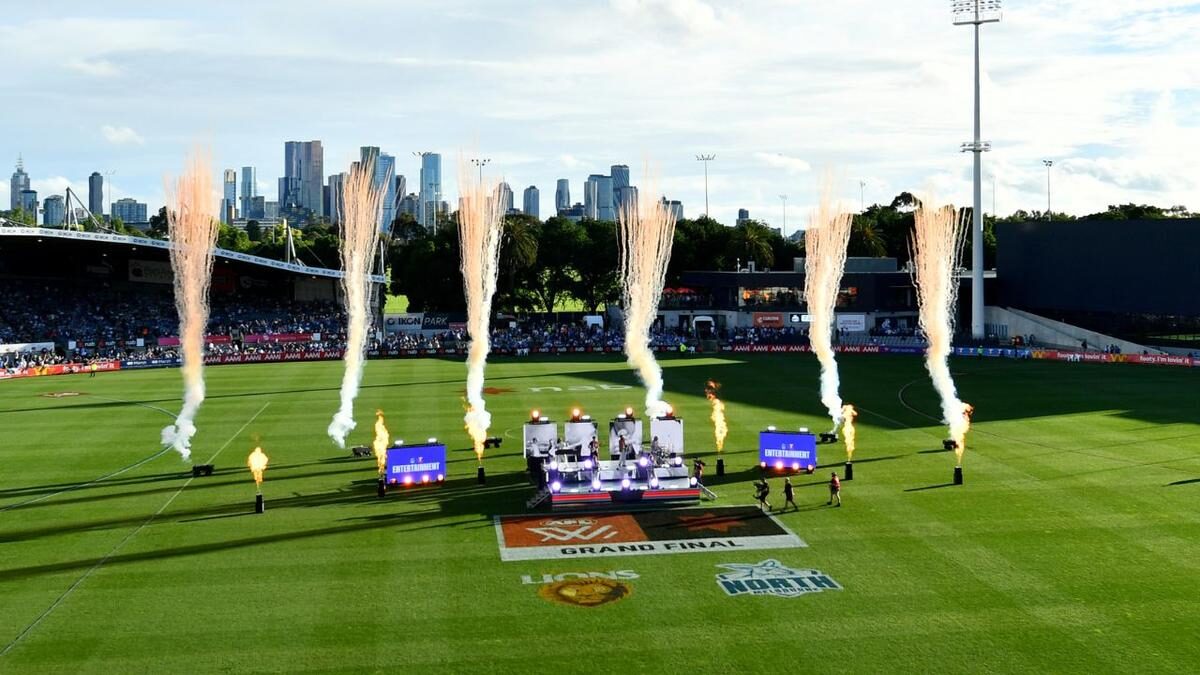
Ikon Park — intentionally or not — tends to reward the more methodical side. Its wide ground gives teams like North Melbourne the space to create layers of possession. But the venue also gives Brisbane opportunities. Open wings can become fast lanes for turnover-driven teams, especially when their pressure forces rushed kicks into exposed space.
Weather adds complication. Rain changes the story instantly. Wet footy narrows margins, slows transitions and rewards the team that can bring the ball to ground. Brisbane have thrived in those conditions multiple times this season — including a gritty wet-weather win where they held a top-four side scoreless for half a quarter.
The individual influence feels sharper this year.
Jasmine Garner remains the competition’s most reliable big-game barometer. Ash Riddell’s ability to shape stoppage patterns continues to fuel North Melbourne AFLW stats. Blaithin Bogue is the unknown variable — a rising player entering her first Grand Final with speed and instinct.
Brisbane’s match-changers carry a different edge. Courtney Hodder can tilt the emotional temperature of a contest with a single chase-down tackle. Jennifer Dunne anchors their aerial game. Neasa Dooley’s rise gives Brisbane the one-on-one reliability they lacked two seasons ago.
The Tactical Divide and Why It Shapes Everything

This Grand Final is not just a clash of two teams — it’s a clash of two ideas.
North Melbourne want the game to look organised. They aim to:
• Set up with short, controlled possession
• Make Brisbane chase
• Turn clearances into structured, repeat entries
• Keep the game in their forward half for long stretches
Brisbane want the opposite. Their identity depends on:
• Creating turnovers in uncomfortable parts of the ground
• Turning chaos into instant scoring chains
• Preventing North from settling into a rhythm
• Turning the contest into something unpredictable
The most interesting element is that both styles are proven. This isn’t a battle of strength vs weakness — it’s strength vs strength, with neither side willing to bend toward the other.
Predictive indicators lean slightly toward North Melbourne because control is easier to replicate than volatility. But Brisbane only need one quarter of disruption to flip a match — something they’ve shown repeatedly this year.
Based on current form, the model sits in the North Melbourne by 6–14 points range, though that number shrinks dramatically if conditions become slippery or congested.
Conclusion — The 2025 Final Seen Through AFLW Grand Final Stats

As we head toward the 2025 AFLW Grand Final, the story becomes clearer through AFLW Grand Final stats: this isn’t simply a repeat matchup — it’s a test of what today’s AFLW rewards. Does the premiership favour the side that builds layered structure and denies chaos? Or the side that forces unpredictability and thrives inside it?
Either way, the decider feels like a defining chapter for the competition’s next era. And with both clubs now deeply shaped by their experiences in the last two Grand Finals, the only certainty is that the numbers — and the philosophies behind them — will matter as much as the moments themselves.


