

The Khawaja penalty-box moment has gained a strange kind of longevity in Australian cricket circles, continuing to spark discussion well after the first Test. The rule itself was straightforward, but the timing — and the player involved — turned a simple enforcement into a storyline with depth. Khawaja’s brief absence due to treatment and stretching forced him into the time-off requirement, leaving Australia scrambling for an opener and the public scrambling for answers. Because this happened in the emotionally loaded environment of an Ashes opener, the moment quickly took on a life of its own. Fans questioned readiness, analysts debated leadership and the fallout extended well beyond the boundary rope. It wasn’t just about Khawaja — it became a reflection of Australia’s standards and expectations.
How a Routine Rule Became a National Talking Point
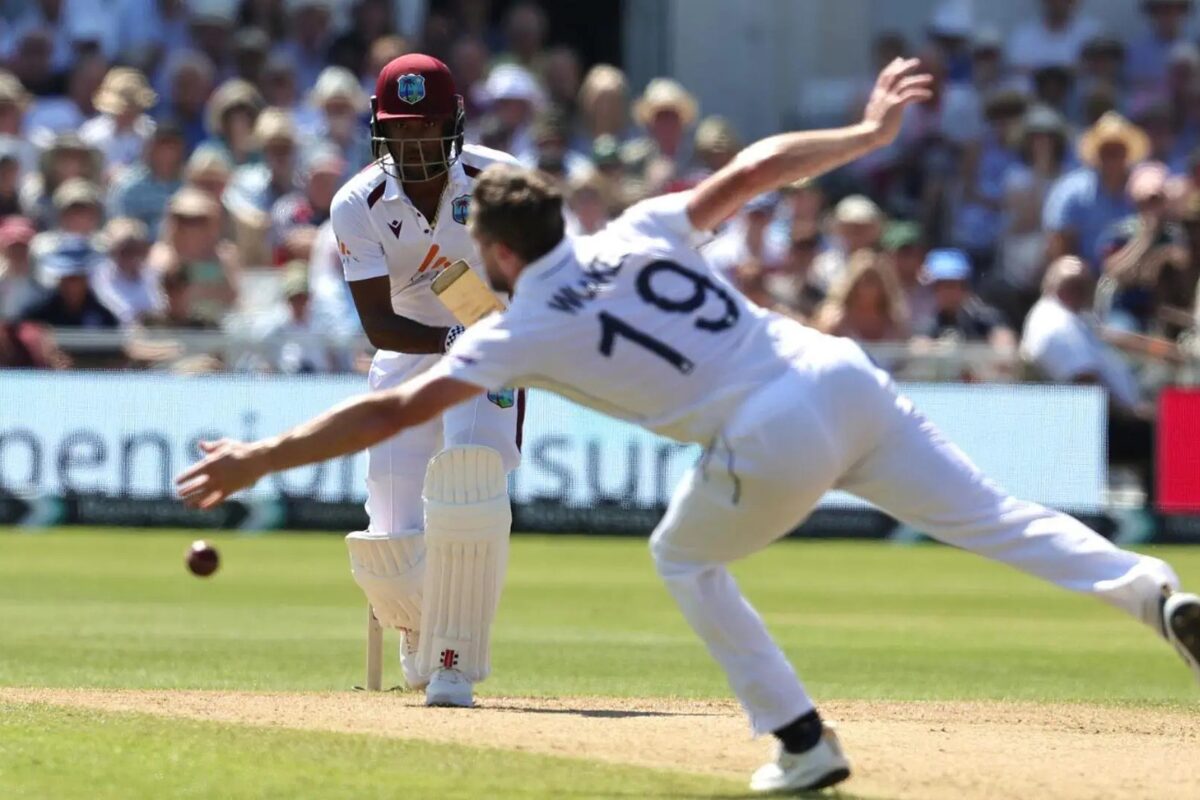
The time-off rule rarely plays a major role in modern cricket, which is why its sudden enforcement on a senior player felt so jarring. Supporters were stunned not by the regulation itself, but by how dramatically it impacted the innings. Australia prides itself on structure, precision and discipline, especially in the Ashes. When that structure faltered in such a visible moment, the reaction was inevitable. A rule intended for fairness suddenly became a trigger for national debate.
Why Khawaja’s Seniority Magnified the Moment
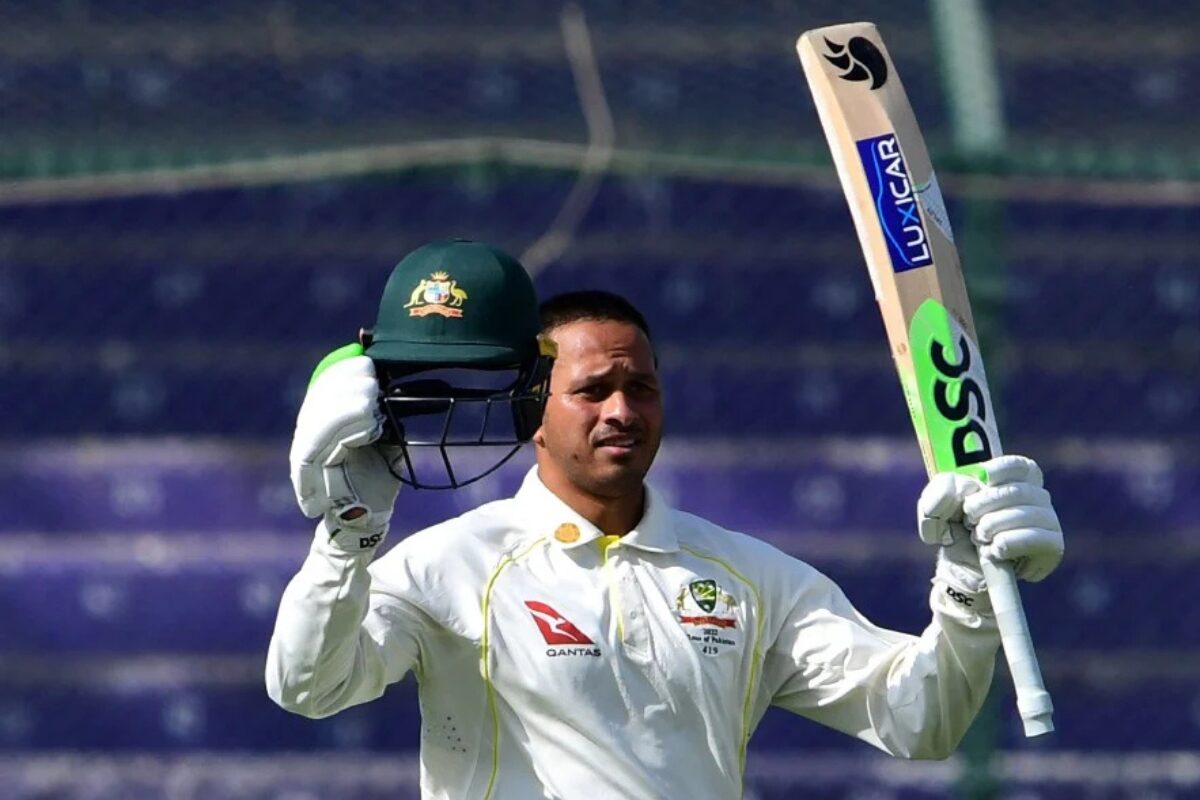
Khawaja isn’t a rookie; he’s a pillar of composure and experience. When a player of his stature is caught out by timing, the emotional impact is amplified. Fans weren’t questioning his professionalism — they were startled by the contrast between expectation and reality. This is why the penalty-box moment lingered. It challenged the image of consistency Australia associates with him and opened a window into the pressure that accompanies leadership roles.
England’s Reaction: Quick, Sharp and Designed to Hurt

As soon as Khawaja was ruled ineligible to open, England pounced on the moment with the kind of psychological sharpness that defines the Ashes. Their commentators mocked the disruption, while their bowlers sensed an early emotional edge. England didn’t gain a tactical advantage — they gained a mental one. Moments like this fuel their confidence, particularly when it highlights a rare lapse from a senior Australian player. In a rivalry where mind games are almost as important as skill, England knew exactly how to twist the moment.
How Australia’s Rhythm Was Interrupted at the Worst Time

A team’s opening partnership is more than just two batters — it’s a rhythm, a ritual and a settling of nerves. When Khawaja couldn’t open, that rhythm fractured. Weatherald did well stepping in, but the last-minute change disrupted the emotional flow Australia usually relies on. Analysts argued the moment created a slight sense of chaos in an innings that demanded clarity. The Ashes is unforgiving; even small shifts in energy can influence a session.
Why the Fitness Question Keeps Echoing Around the Team

Khawaja’s minor back stiffness shouldn’t have been a controversy, but paired with the penalty-box moment, it revived questions about physical management. Fans wondered whether the discomfort was isolated or something that might reappear as the series intensifies. Because openers must carry such a heavy workload, even small physical issues create big discussions. The incident didn’t prove he’s unfit; it only exposed how carefully Australia must handle him.
Selectors Taking Note of the Bigger Narrative
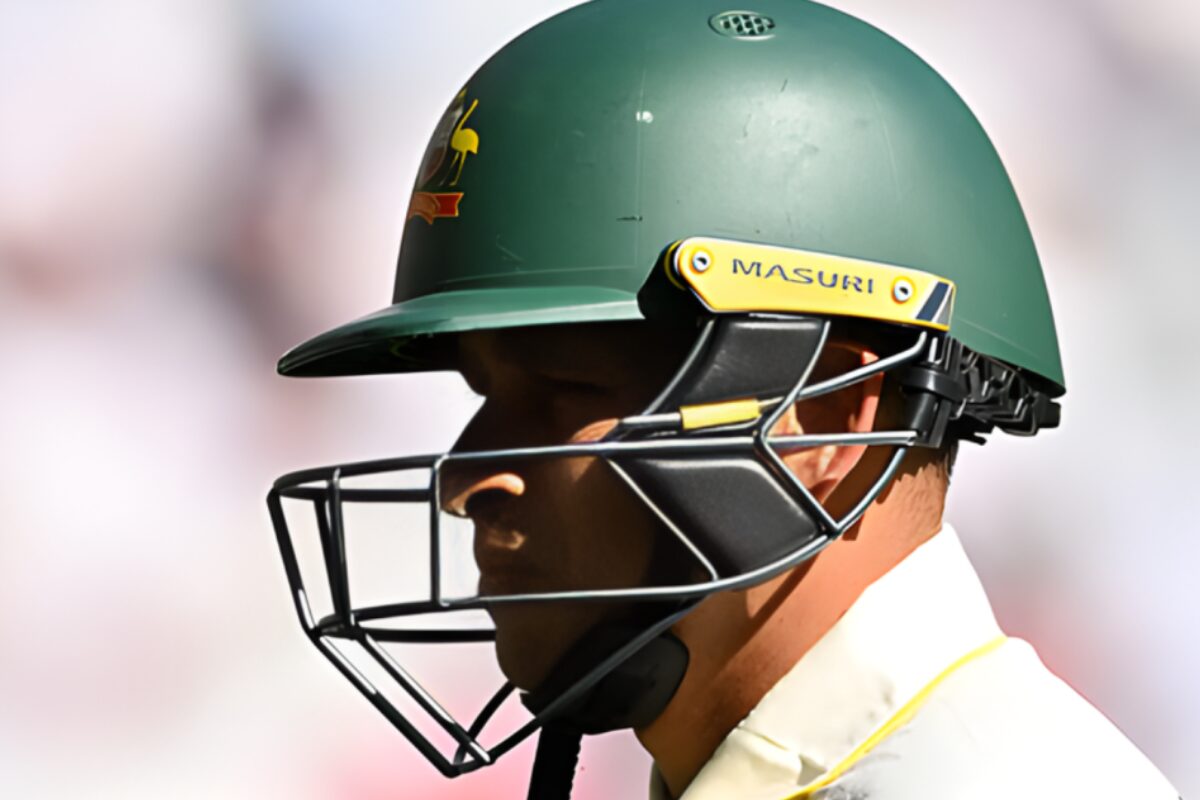
Selectors won’t drop Khawaja for a procedural rule, but they see the unfolding story. Earlier commentary highlighted concerns over inconsistent scores, and now the penalty-box moment has added another layer to that examination. Selection is about trust — trust in durability, readiness, and stability. Every Ashes series tightens scrutiny, and this moment reminded the panel how thin the margins really are.
Khawaja Penalty Box – Key Points Table
| Key Point | Description | Impact | Source Commentary |
|---|---|---|---|
| Time-Off Rule | Off-field time exceeded the allowed window | Khawaja barred from opening | ABC / CA |
| Back Tightness | Required physio and stretching | Created durability concerns | Fox Sports |
| Timing Slip | Team expected him to return sooner | Forced a sudden reshuffle | ABC |
| Ashes Pressure | England amplified confusion | Gained early psychological advantage | UK Media |
Khawaja’s penalty-box moment proved how even the smallest timing slip can capture the emotional pulse of an Ashes series. It wasn’t a matter of skill or effort — it was a reminder of how much precision, preparation and physical management are demanded at this level. While the conversation around his fitness and senior role intensified after the incident, it also highlighted Australia’s need to refine the systems supporting their most experienced players. Khawaja remains a cornerstone of the side, and his response in the coming Tests will matter far more than the brief moment that sparked the debate. In the Ashes, moments become narratives, and narratives become pressure — but great players know how to reclaim them at the crease.


