

As the VCT 2026 season looms, Fnatic have taken a decisive step by renewing the contract of their long-time in-game-leader Jake “Boaster” Howlett. With stability at the top, the organisation appears ready to pivot from near-misses to championship-contenders. In this article we explore how Fnatic’s leadership structure, roster decisions, and strategic vision are shaping their bid to reclaim the throne of global Valorant.
Fnatic 2026 VCT leadership- Challenges ahead: meta shifts, emerging rivals & internal pressure
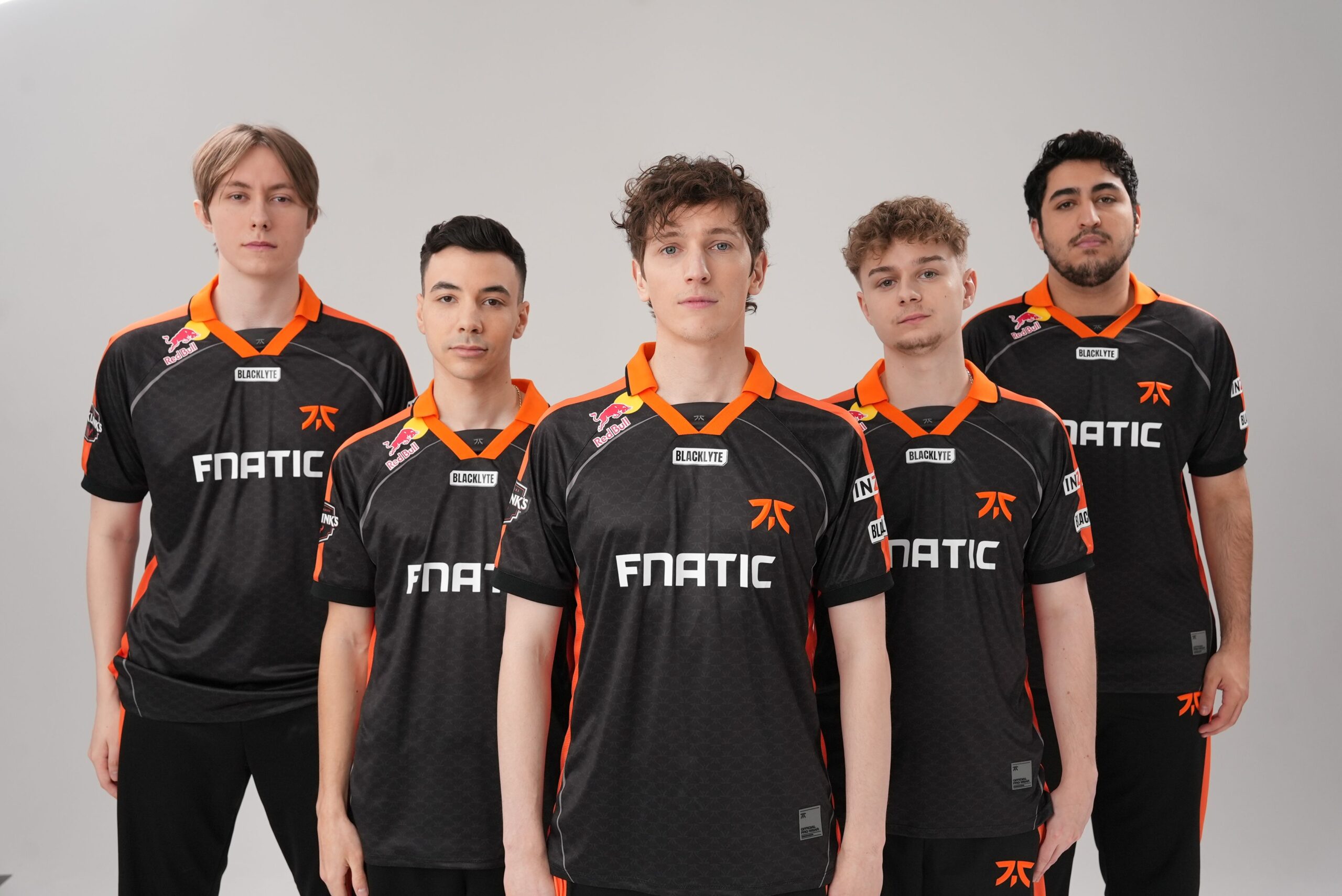
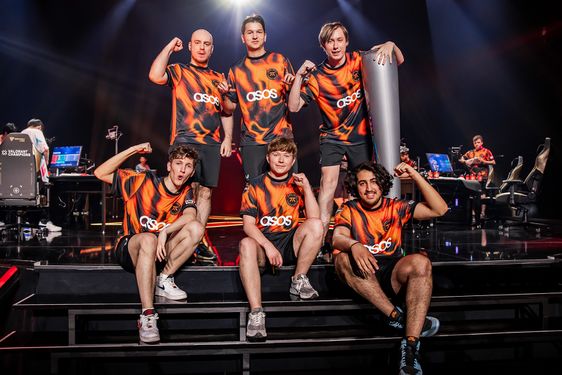
Fnatic Valorant Outlook — 2026 Season
| Component | Current Status | Implication for 2026 |
|---|---|---|
| IGL | Boaster signed through 2026 (Esports.net) | Provides stability in calls and strategy |
| Coaching staff | TBD (some rumours of change) | Potential fresh strategic directions |
| Support / analysts | Experienced core remains | Better adaptation to meta & opponents |
| Roster churn | Minimal so far | Cohesion advantage, but risk of stagnation |
| Rivals | Many improving (e.g., NRG, Sentinels) | Fnatic must evolve to stay ahead |
Fnatic have made their 2026 leadership decision loud and clear: keep the core, build from stability, and aim for the top. While continuity is a strength, the landscape of Valorant is shifting rapidly—Fnatic must not only maintain their identity under Boaster but also innovate to avoid being overtaken. If they execute, 2026 could be the year they reclaim global dominance.


