

Liverpool vs Aston Villa – Liverpool ended a five-game domestic slump with a 2–0 victory over Aston Villa, demonstrating tactical refinement and renewed confidence under Arne Slot. This guide breaks down how the Reds controlled the game, created scoring opportunities, and converted key moments into goals.
By reviewing pressing structures, attacking coordination, and defensive organization, fans and analysts can better understand how Liverpool overcame recent struggles to dominate at Anfield.
Auto play video with neon light modeLiverpool’s Pre-Match Situation
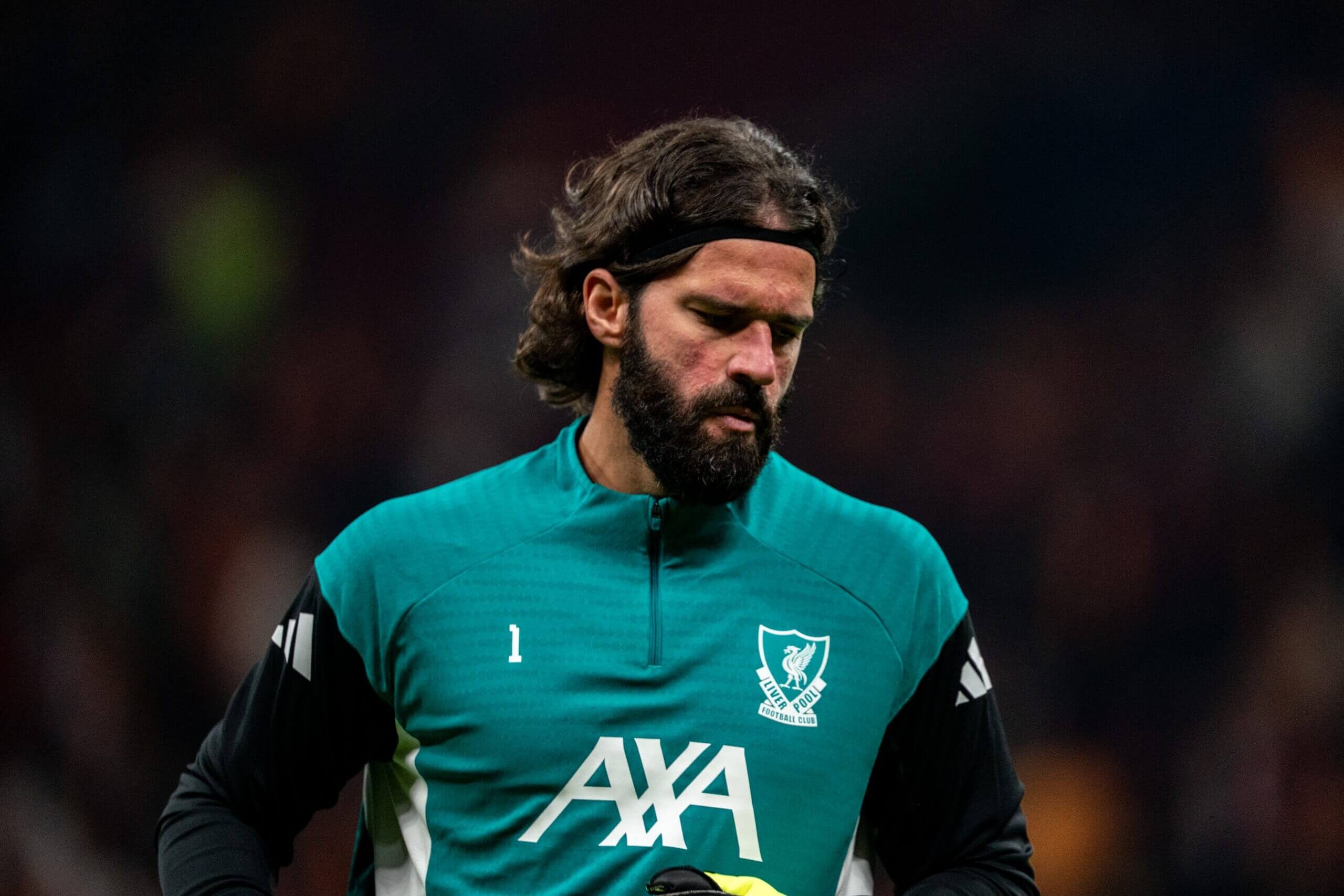
Before facing Villa, Liverpool had experienced a challenging period. Losses to Brentford, Manchester United, Chelsea, and Crystal Palace left the team under pressure, and their European form offered only one win in seven recent matches.
Challenges faced by the Reds:
- Defensive gaps: Missing Alisson, Frimpong, and Leoni disrupted defensive cohesion.
- Scoring difficulties: Salah and Gakpo had struggled to convert previous chances.
- System adaptation: Slot’s high-press system occasionally left spaces vulnerable.
This context emphasized why tactical adjustments were necessary to stop the losing streak.
Aston Villa’s Setup and Early Threats
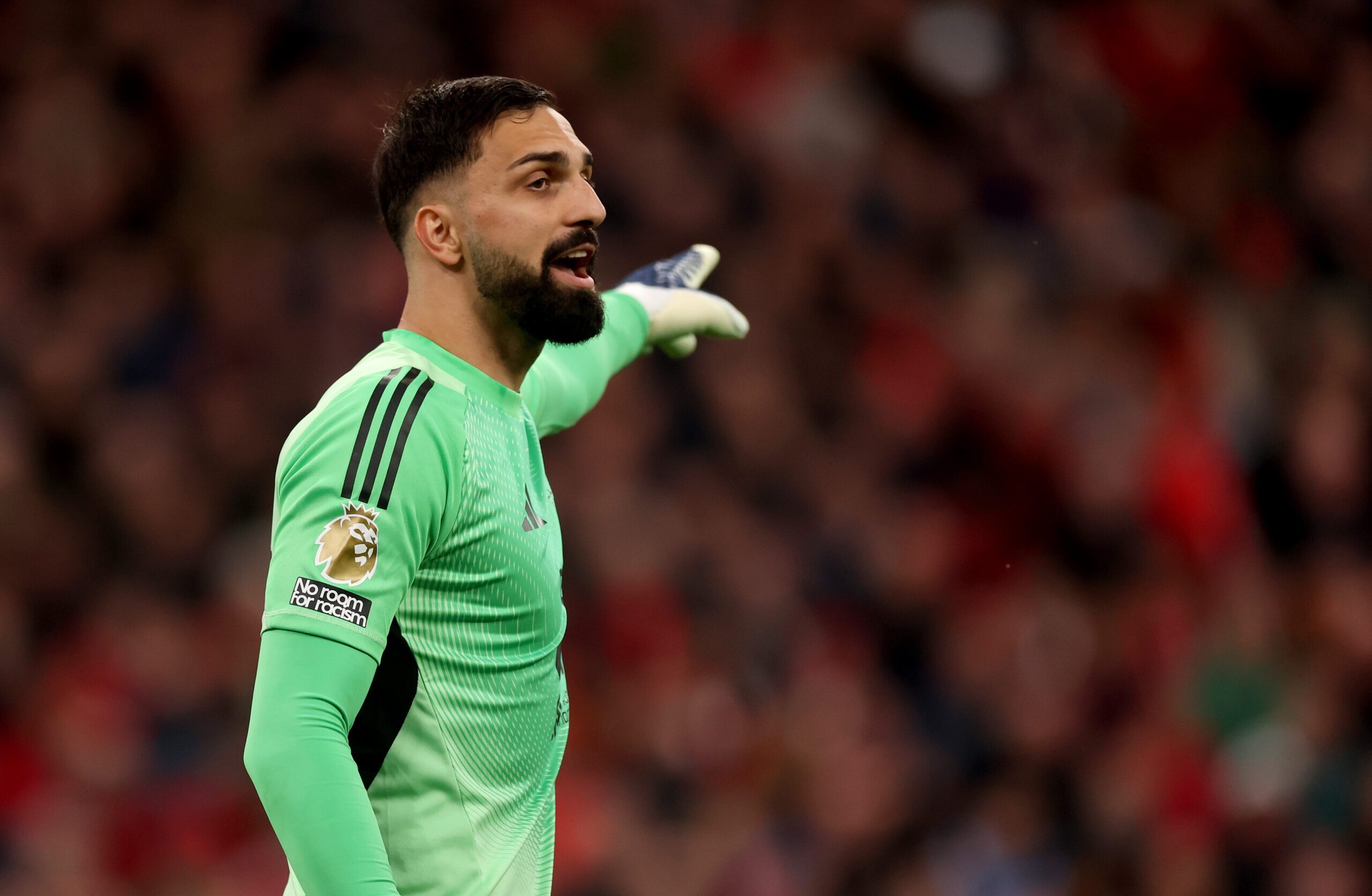
Villa entered the match unbeaten in the Premier League since August, showcasing a disciplined defensive trio of Cash, Konsa, and Torres, supported by a midfield focused on possession and pressing.
Key traits of Villa’s approach:
- Compact defensive lines to limit spaces.
- Short-passing build-up to control tempo.
- Quick counter-attacks to exploit high defensive lines.
However, Liverpool’s pressing disrupted Villa’s rhythm. Early interventions such as Mamardashvili’s save from Matty Cash and a disallowed offside goal by Ekitike briefly kept Villa competitive, but the Reds dominated key areas and limited Villa’s attacking opportunities.
How Liverpool Controlled the Game

Slot’s tactical setup allowed Liverpool to dictate play and capitalize on Villa’s vulnerabilities:
- Midfield pressing: Szoboszlai and Gravenberch forced Villa wide, restricting central play.
- Attacking pressure: Salah, Gakpo, Ekitike pressed defenders and exploited errors.
- Transition control: Mac Allister, Gravenberch, Szoboszlai managed tempo between defense and attack.
Key moments:
- Salah opened the scoring at 45+1’ following a mispass by Martínez.
- Gravenberch added the second goal at 58’ via a deflected strike.
This approach combined pressing, tactical discipline, and clinical finishing to secure a comfortable win.
Standout Players and Tactical Contributions – Liverpool vs Aston Villa

| Player | Role | Contribution & Impact |
|---|---|---|
| Mohamed Salah | Forward | Scored opener, led pressing, restored attacking threat |
| Ryan Gravenberch | Midfield | Second goal, dominated transitions |
| Dominik Szoboszlai | Midfield | Assisted attacks, controlled tempo |
| Virgil van Dijk | Defense | Organized backline, restored stability |
| Emiliano Martínez | Goalkeeper | Error led to first goal, shifted momentum |
Additional examples: Villa’s offside “goal” by Ekitike demonstrated narrow margins, while Mamardashvili’s early saves showed resistance against Liverpool’s dominance.
Conclusion — Lessons from the 2–0 Win
Liverpool’s 2–0 victory ended a seven-match stretch with only one win and restored confidence heading into crucial fixtures against Real Madrid and Manchester City. Slot’s tactical adjustments and rotation were validated, showing how structure, pressing, and finishing efficiency can reverse a poor run.
For Aston Villa, the loss ended momentum but did not diminish Emery’s long-term project. Salah’s opener symbolized leadership, Gravenberch’s goal reflected resurgence, and the team’s overall performance highlighted resilience.
Liverpool vs Aston Villa serves as a tactical case study of how pressing, positional discipline, and key player execution can secure a dominant and confidence-boosting Premier League win.


