

A simple question from the official Valorant esports account in late 2025 sparked an unexpectedly revealing conversation about the future of competitive viewing . When asked “How often do you watch Valorant Esports?”, the responses painted a vivid picture of a fanbase in transition—one where traditional three-hour broadcasts are losing ground to TikTok clips, team-specific viewing, and outright indifference .
The replies ranged from hardcore devotees who watch “All of Emea (in person), all internationals, 60% of Americas, 50% of Pacific and 80% of off season” to casual fans who admitted they only catch “tiktok clips exclusively” . One user summed up the growing sentiment perfectly: “Less and less each year, that’s for sure” .
Here’s why Gen Z is abandoning full Valorant broadcasts and how Riot is being forced to adapt.
The Viewership Divide: Hardcore Fans vs. The Rest
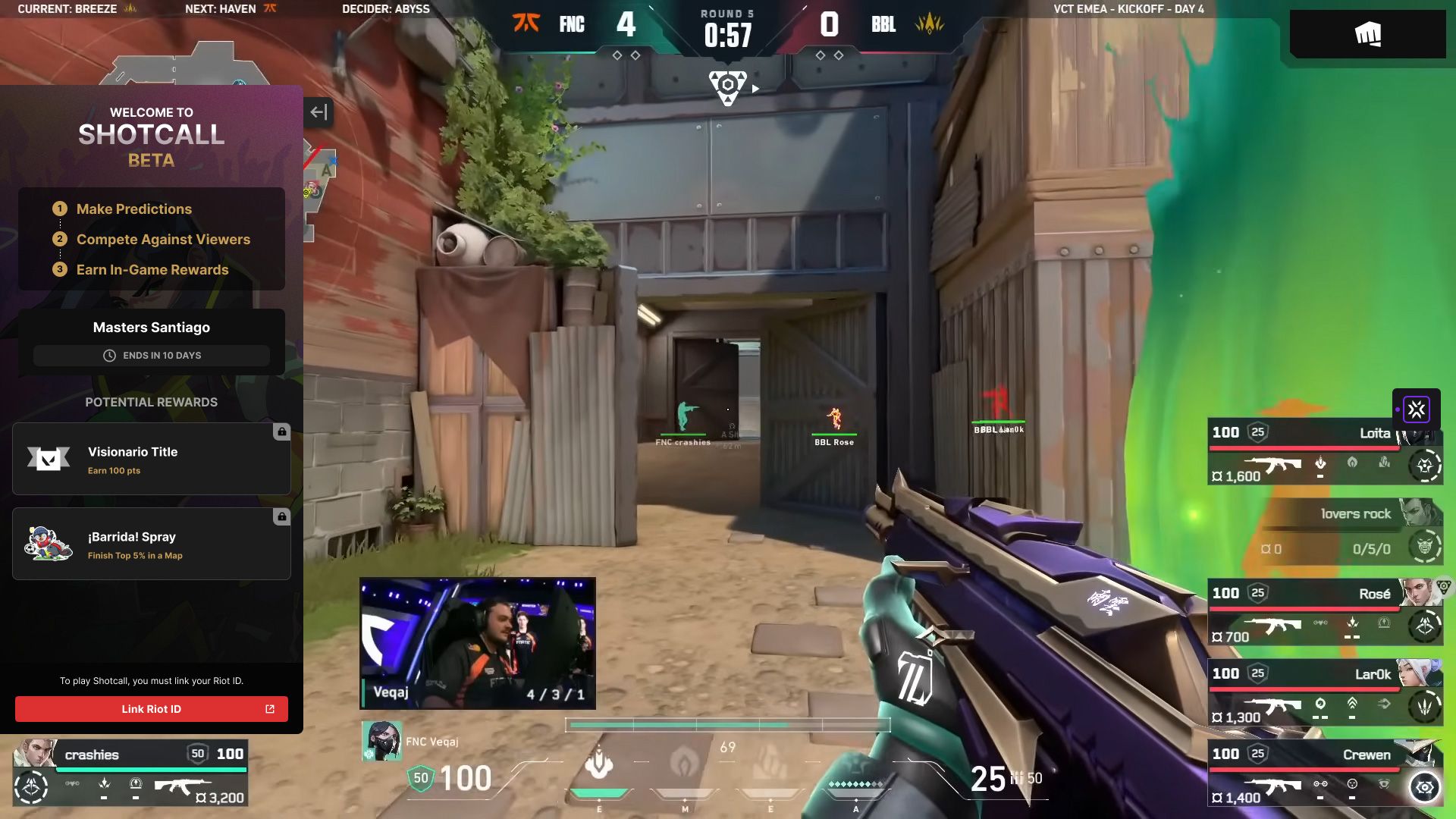
The Twitter poll revealed a stark divide in how different segments consume Valorant esports. On one side, dedicated fans treat broadcasts like traditional sports leagues—following every match, tracking their favorite teams, and planning their schedules around international events . These are the viewers who watch “Every time” and specifically tune in for “Everyday a @FNATIC game” .
Valorant Viewing Habits (December 2025 Poll)
| Viewing Habit | Percentage / Sentiment |
|---|---|
| Watch everything | Small but passionate core (e.g., “All of Emea in person”) |
| Watch only favorite team | Common (e.g., Fnatic, Liquid, KRU fans) |
| Watch only majors/finals | Significant portion |
| Watch only TikTok clips | Growing trend |
| “Never” / “Rather play” | Large, vocal segment |
On the other side, a massive group of respondents simply said “never” or “I would rather play”. One user captured this mindset perfectly: “Never, I’m more of a ‘why would I watch an hour game if I can play it myself’ kind of person” . This represents a fundamental barrier esports must overcome—converting players into spectators .
The most telling response came from fans who admitted to watching only “tiktok clips exclusively” . For these viewers, a 60-second highlight of a 1v5 clutch is far more appealing than committing to a full best-of-three series . This is the modern media consumption pattern that traditional broadcasts struggle to accommodate .
Production Feedback: What Fans Actually Want
The poll also generated specific criticism about how Valorant esports is broadcast. One viewer complained they got confused when the observer cam switched views too fast and asked if there was a way to watch just one player’s perspective . This is legitimate production feedback—a potential opportunity for dedicated player POV streams during major matches .
Another fan detailed how they used to watch KRU Esports regularly but stopped after roster changes and trash-talking from the new in-game leader . This illustrates that fandom is deeply personal—viewers connect with specific players and personalities, not just organizations. When those players leave, viewers often follow .
The emergence of what appeared to be bot or AI-generated hype comments also drew mockery, with one user replying “What in the AI” to a suspiciously generic praise post . This suggests that authentic engagement matters more than manufactured enthusiasm .
How Riot Is Adapting in 2026
Riot’s 2026 VCT roadmap directly addresses these changing viewer habits . The new format eliminates low-impact group stage matches entirely, replacing them with high-stakes bracket play where every match has direct consequences . This responds to fans who complained the regular season became “too much” to follow .
The introduction of Triple Elimination at Kickoff and expanding Masters events to 12 teams means more meaningful matches with higher drama . By increasing the total number of Championship Points available, Riot ensures that every match carries weight—addressing viewer fatigue by removing “filler” content .
Most significantly, Riot is embracing the Destination Event model, taking Stage 2 Playoffs to new cities and putting VCT China on a five-city tour . This creates unique, event-based viewing opportunities rather than a relentless stream of weekly matches . The shift from quantity to quality aligns perfectly with how Gen Z wants to consume esports—less background noise, more must-watch moments .


