

The tactical shooter graveyard is full of games that tried to dethrone Valorant and failed. In fact, some launched with massive marketing budgets. Some had beloved IP attached. Some copied the formula exactly. None succeeded.
Six years after its surprise announcement, Valorant isn’t just surviving—it’s thriving. The question isn’t whether the game is popular. The question is why. What did Riot do that other developers couldn’t replicate?
The Agent Philosophy
The biggest difference between Valorant and its competitors is agent design. Riot doesn’t just create abilities—they create systems that interact with the core gunplay in meaningful ways.
Compare Valorant to other ability-based shooters. In most games, abilities either win rounds by themselves or are irrelevant. Valorant’s abilities sit in a perfect middle ground. They provide advantages without replacing gun skill. A well-placed smoke changes sightlines but doesn’t kill anyone. A flashed enemy is helpless, but you still have to aim.
This philosophy extends to new agent releases. Riot releases agents slowly—usually three per year—and each one fills a specific strategic niche. There’s no power creep, no must-pick meta dominators. Every agent has counters; likewise, every agent has situations where they excel.
The Gunplay Fundamentals
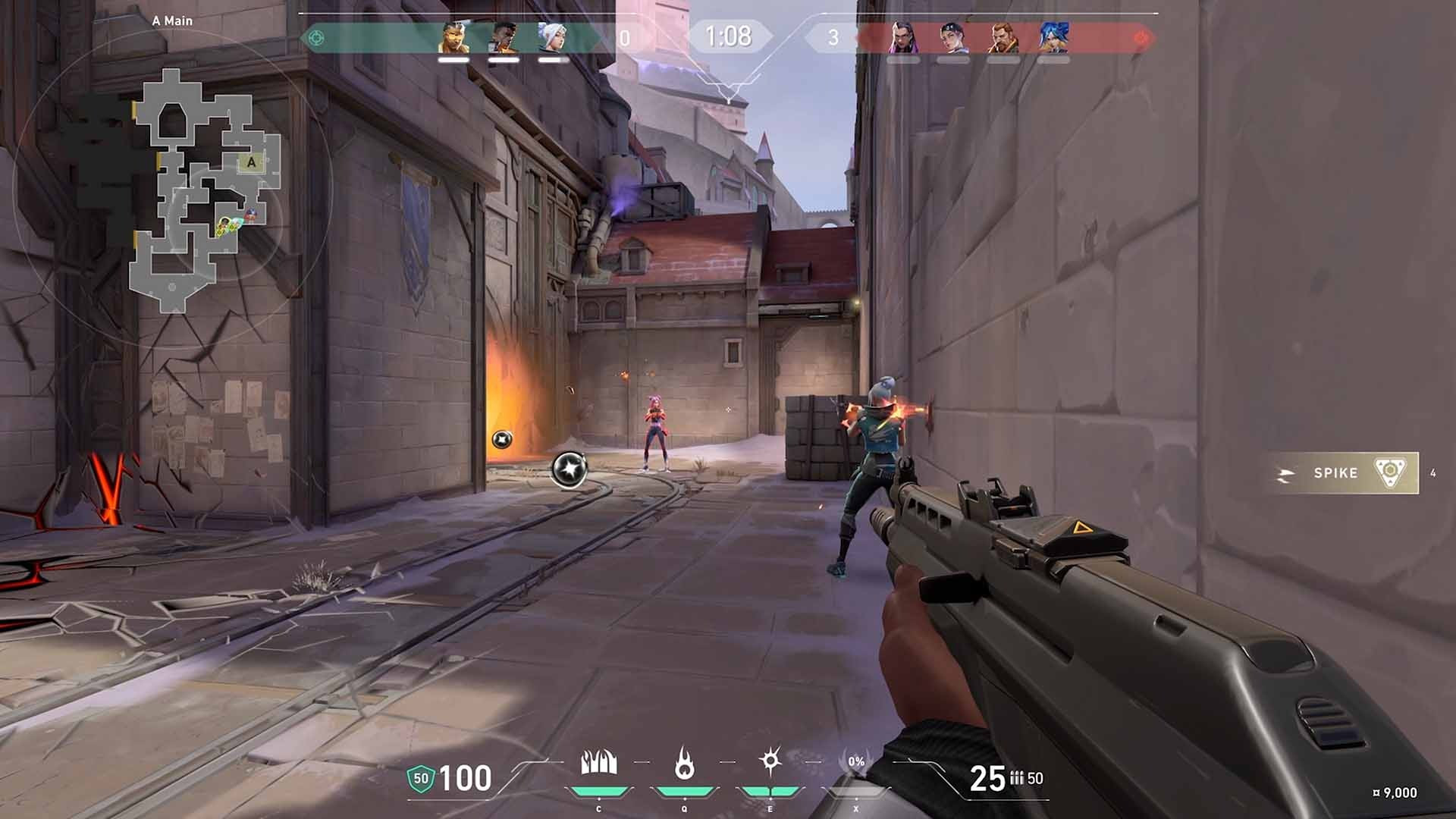
Underneath the abilities, Valorant is a traditional shooter with precise, predictable gunplay. The rifles have spray patterns you can learn; meanwhile, the pistols reward headshots, and the Operator, in turn, punishes bad positioning.
This creates a game where players improve continuously. The skill ceiling is visible but not unreachable. New players can enjoy ability interactions while learning gunplay fundamentals. Veterans spend years mastering spray transfers and movement mechanics.
Here is the breakdown of why players stick with Valorant:
| Factor | How Valorant Does It | Why It Works | Competitor Comparison |
|---|---|---|---|
| Agent Design | Slow release, specific niches | No power creep, every agent viable | Overtuned releases, must-pick metas |
| Gunplay | Predictable sprays, skill-based | Continuous improvement curve | Random spread, casual-focused |
| Anti-Cheat | Vanguard kernel-level | Trust in competitive integrity | Cheater problems plague rivals |
| Esports Ecosystem | Franchised VCT, partner teams | Stable careers, consistent viewing | Disorganized circuits, team instability |
| Content Pace | Seasonal battle passes, frequent patches | Fresh without overwhelming | Content droughts or burnout pace |
The Anti-Cheat Advantage
Valorant launched with Vanguard, Riot’s kernel-level anti-cheat, and, as a result, the gaming community had questions. Privacy concerns dominated the conversation. Would Riot have too much access? Was kernel-level necessary?
Six years later, the results speak for themselves. Valorant has the most effective anti-cheat in competitive gaming. High-profile cheating incidents are rare. Professional players trust that ranked ladder represents skill, not who has the best hacks.
This trust is invaluable. Shooters die when players lose faith in competitive integrity. Valorant’s player base never had to go through that crisis. Vanguard worked from day one, and it still works.
The Esports Ecosystem
Riot learned from League of Legends; therefore, they built Valorant esports from the ground up with long-term stability in mind. The VCT partnership model gives teams financial security. The in-game content supports tournament prize pools. The broadcast production values rival traditional sports.
This creates a virtuous cycle. Professional matches drive viewer interest; in turn, viewer interest fuels player engagement. Furthermore, player engagement generates skin sales, and those sales, consequently, fund the esports ecosystem. Ultimately, every piece supports and reinforces the others, sustaining the entire competitive structure.
The recent VCT Masters Santiago tournament demonstrated this perfectly. Even with favorites eliminated early, viewership remained strong because fans care about the league, not just specific teams.
The Social Layer
Valorant succeeded where other shooters failed because it’s fundamentally social. The game is designed for five-stack play. The agent synergies reward coordination. The communication requirements create bonding experiences.
For many players, Valorant has replaced the water cooler. Friend groups that met in college still play together years later. Discord servers dedicated to Valorant have become digital third places where communities form and persist.
This social layer is impossible to replicate with marketing spend; instead, it has to grow organically. Indeed, Valorant managed to cultivate it, and that growth, in turn, created loyalty that no competitor can simply buy.
The Future
With console expansion bringing new players, VCT viewership growing annually, and Riot’s consistent update cadence, Valorant’s future looks bright; moreover, these combined factors suggest a trajectory of sustained growth and long-term stability for the game’s competitive ecosystem. The game has achieved escape velocity—it no longer depends on hype cycles or marketing pushes.
Players stay because the game is good. New players join because their friends already play. The cycle continues.


