

Beyond the records, beyond the roar of the crowd, the India vs Australia semi-final was a battle of strategy and composure. While India’s chase will be remembered for its brilliance, it was the underlying tactics — the subtle shifts, the calculated risks — that truly shaped the result (Women’s World Cup Final).
This was not just a game won by shots and wickets; it was won on the whiteboard long before the first ball was bowled.
Pitch and conditions – Women’s World Cup Final
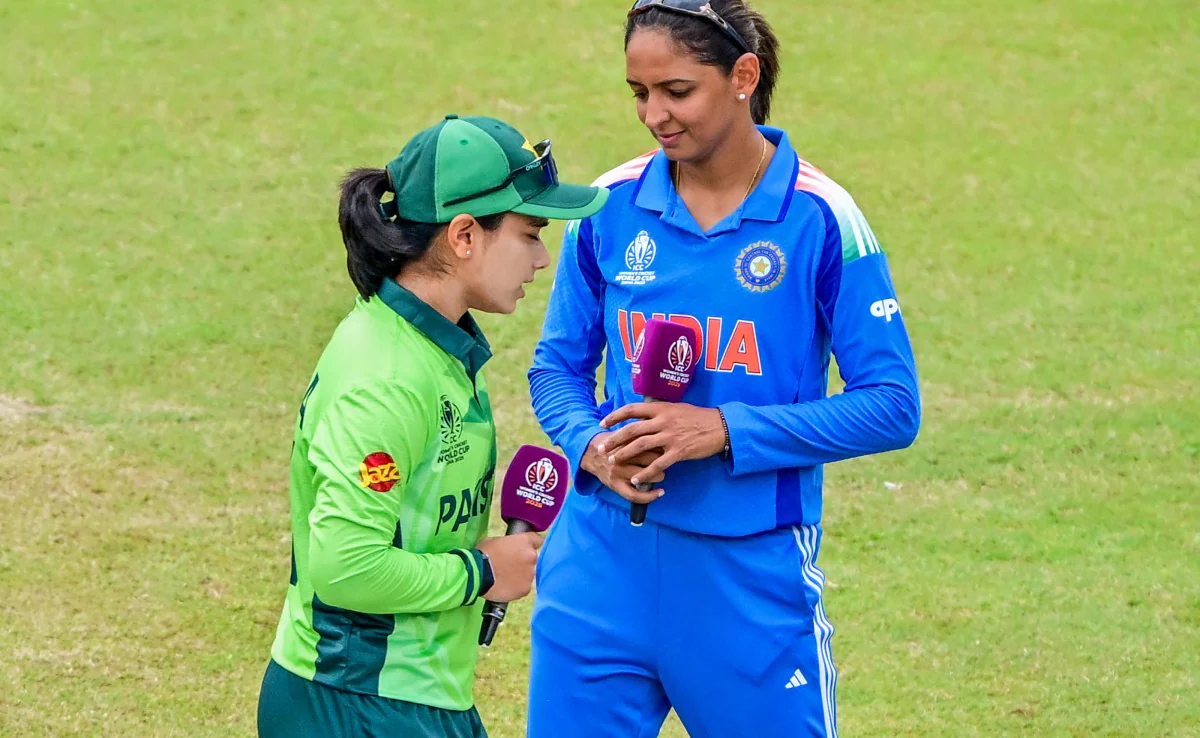
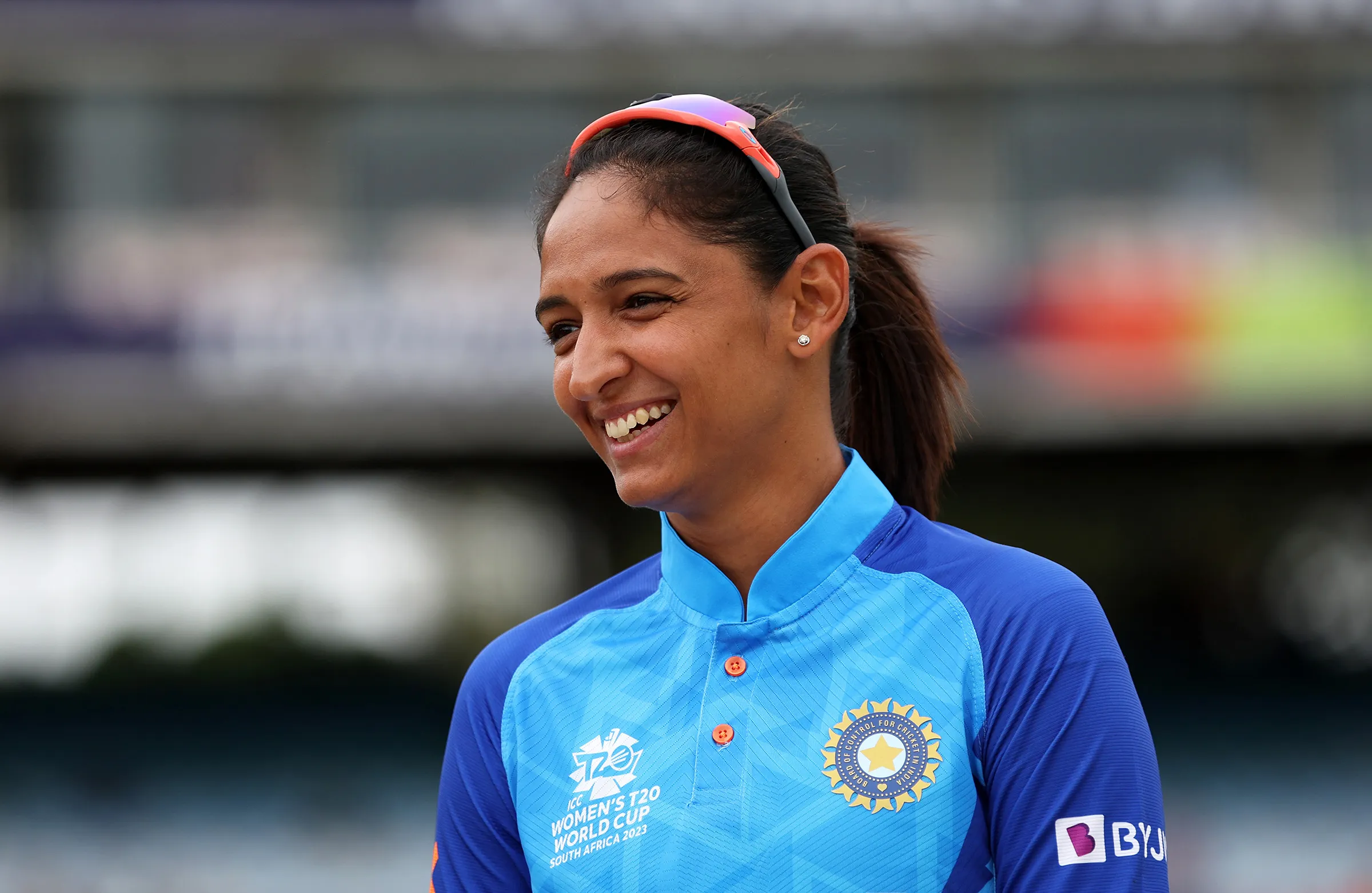
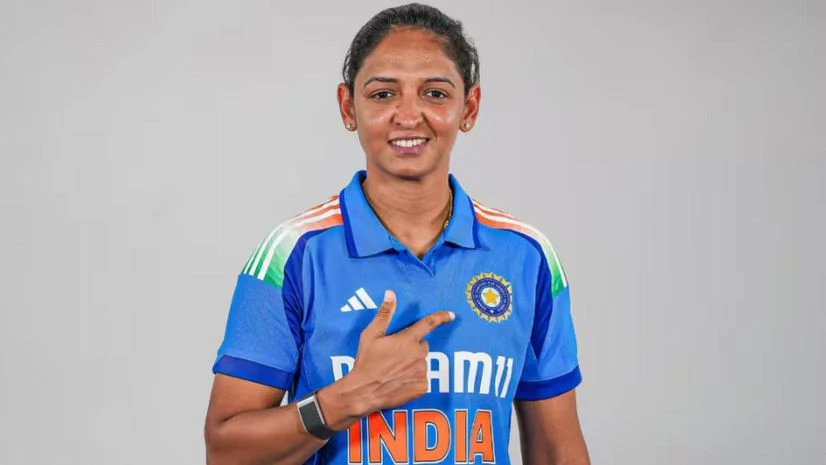
At Navi Mumbai, the surface looked true and flat, ideal for batting. The outfield was lightning-fast, and humidity added grip for slower bowlers later in the night.
Both captains knew — this would be a game of scoreboard control. Australia opted to bat first, trusting their power-packed top order to post an unassailable total. India’s captain, Harmanpreet Kaur, meanwhile, focused on reading the chase — believing that dew and calm execution could tilt the odds in their favour.
It was a classic battle of philosophies: impose early vs absorb late.
Australia’s approach – Women’s World Cup Final


Australia did what they’ve done for years — attack early, build momentum, and let the opposition chase shadows.
Phoebe Litchfield’s 119, Ellyse Perry’s 77, and Ash Gardner’s 63 highlighted this template: strike rotation early, power hitting late. Their goal was clear — cross 330 and crush belief before India’s innings even began. Strategically, it made sense. But their execution faltered in small ways — poor strike rotation between overs 25–35, and reliance on boundary hitting rather than building steady pairs. By innings end, they had the runs — but perhaps not the control.
India’s response: Women’s World Cup Final



India’s plan was precise: don’t chase the total, chase the rhythm.
They didn’t panic after losing early wickets. Instead, they anchored around Jemimah Rodrigues (127)* and Harmanpreet Kaur (89) — building a partnership that mimicked Test-match patience inside an ODI chase.
Their method:
- Target specific bowlers (especially the fifth bowler slot).
- Keep boundaries in check — focus on running between wickets.
- Hold wickets until the final 10 overs, when the dew would neutralise Australia’s spinners.
It worked perfectly. Every phase had a purpose, and every decision tied back to pre-match analysis.
Women’s World Cup Final – Key innovations


Fielding Patterns: India used tighter inner-circle fields early to restrict Australia’s singles — forcing aerial shots and errors. Australia, by contrast, spread too early during India’s chase, allowing easy rotation.
Bowling Rotation: India managed resources cleverly. Shorter spells prevented fatigue, while field changes after every boundary broke rhythm.
Batting Order Adjustments: India slightly reshuffled — pushing Rodrigues up to consolidate stability early. That one move paid off massively, giving the chase both patience and punch.
In contrast, Australia’s field placements lacked adjustment. Even after Kaur’s half-century, they continued defensive lines instead of crowding pressure zones. The difference between static and fluid strategy was glaring.
Women’s World Cup Final – What it teaches upcoming coaches and players


This semi-final was a masterclass in adaptability. It showed that big games aren’t always about big moments — they’re about small decisions made consistently well.
Coaches can take away several key lessons:
- Plan for phases, not innings. Winning each segment builds overall control.
- Stay flexible. Conditions, dew, or momentum shifts require quick tactical pivots.
- Train for mental clarity. Calm decision-making beats raw aggression in pressure chases.
- Reward data-driven instincts. Modern cricket success comes from reading match patterns early.
For players, it was proof that awareness and preparation can outmatch even the most experienced opponents.
Semi-Final Tactical Overview (Women’s World Cup Final)
| Team | Strategy | Execution | Outcome |
|---|---|---|---|
| Australia | Big total in first innings | Strong batting start | 338 runs posted |
| India | Calm, structured chase built on partnerships | Kaur–Rodrigues 167-run stand | Chase successful |
Tactics win games. The semi-final wasn’t just a display of talent — it was a blueprint of discipline and foresight.
India’s win came from clear thinking under pressure, while Australia’s rigid approach showed how even champions can falter without adaptation. For fans and future coaches, this game is more than entertainment — it’s a textbook lesson in how preparation, patience, and precision turn ambition into achievement.


